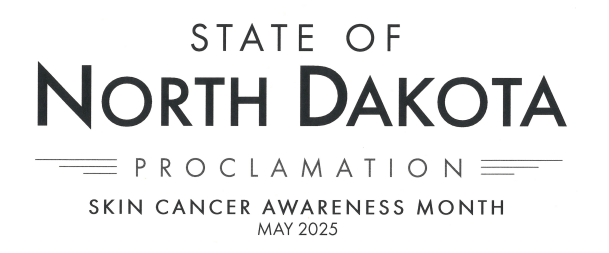
Skin Cancer Awareness Month – May 2025
Skin Cancer Awareness Month – May 2025 Read More
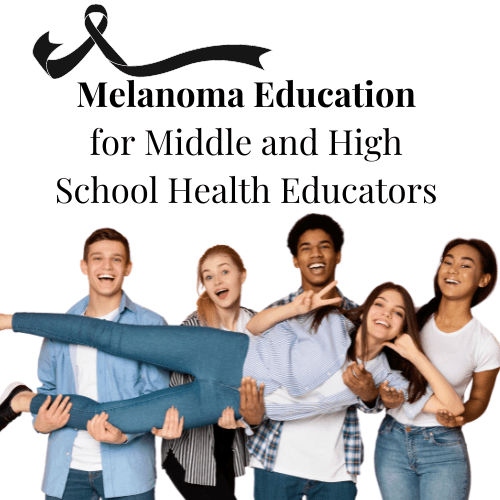
The Melanoma Education Foundation is a non-profit preventive health organization that saves lives by promoting greater awareness of melanoma and the importance of early self-detection. The Foundation evolved from a
Melanoma Education for Middle and High School Read More

Learn about some of the damaging effects that too much ultraviolet (UV) radiation exposure can have on the skin. You’ll also find tips to help you protect yourself and your
Be Safe in the Sun: Adults Read More

Created and developed by The University of Texas MD Anderson Cancer Center, Ray and the Sunbeatables®: A Sun Safety Curriculum for Pre-K through 1 and Be Sunbeatable™ for grades 2-5,
Ray and the Sunbeatables: Pre-school to 5th grade Curriculum Read More
NEEF’s SunWise program is a free environmental and health education program that teaches K-8 children about sun safety, UV radiation, and stratospheric ozone. Educators, parents, caregivers, and others who register
Sunwise Toolkit K-8 Curriculum Read More
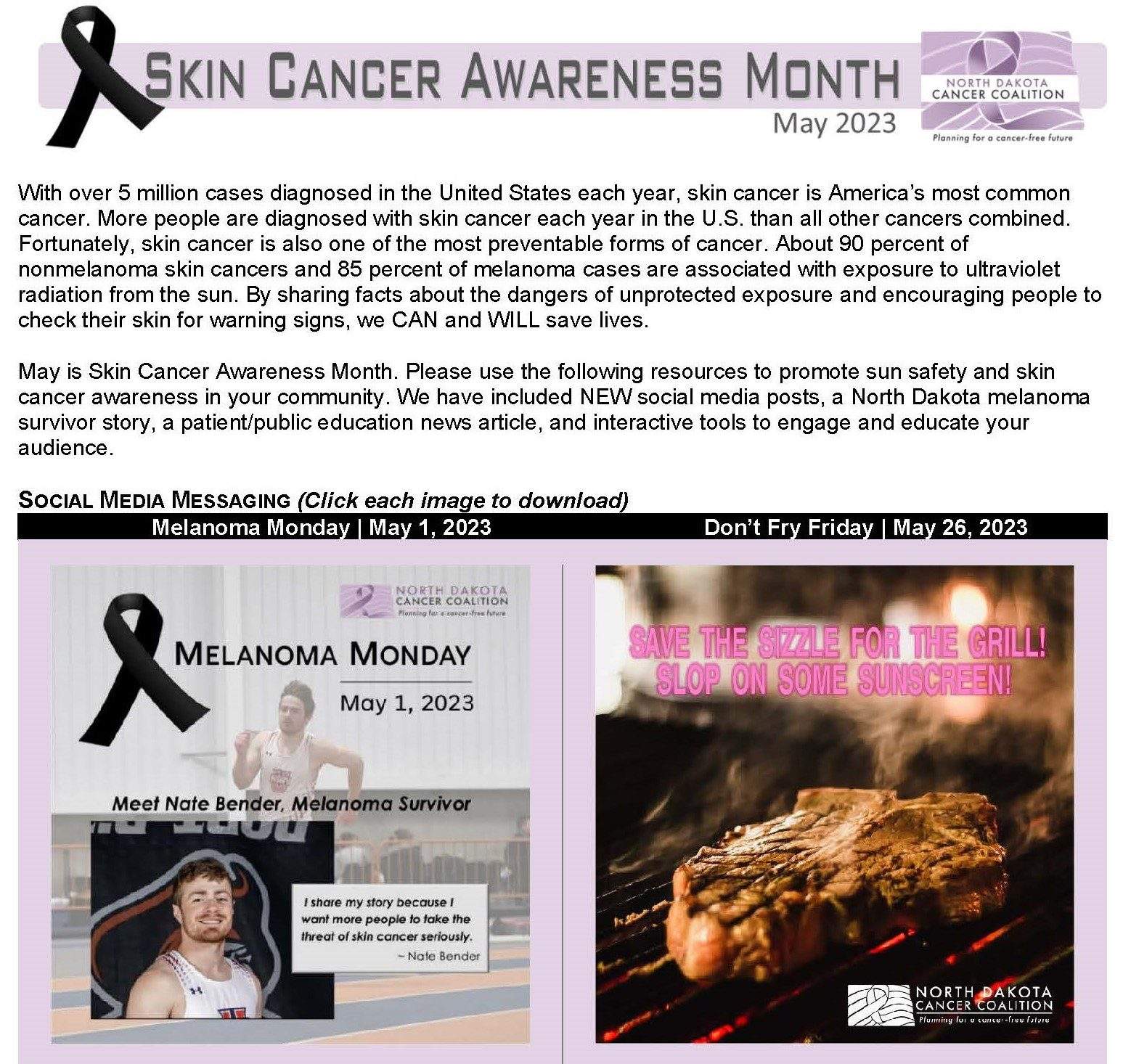
With over 5 million cases diagnosed in the United States each year, skin cancer is America’s most common cancer. More people are diagnosed with skin cancer each year in the
2023 Skin Cancer Awareness Resources Read More
Access the statewide programs recommended by the CDC that combine and coordinate community-based interventions.
Lung Cancer Evidence-Based Strategies Read More

Evidence shows these interventions increase cervical cancer screening rates when community health workers deliver them independently or as part of an implementation team. In addition, economic evidence shows these interventions
Cancer Screening: Interventions Engaging Community Health Workers – Cervical Cancer Read More
The American Cancer Society recommends that women follow recommended guidelines to help find cervical cancer early as well as pre-cancers, which can be treated to keep cervical cancer from starting.

Health care providers can play a critical role in helping to reduce the incidence of hereditary breast and ovarian cancer by identifying patients with elevated risk. These guidelines can help
The USPSTF recommends annual screening for lung cancer with low-dose computed tomography (LDCT) in adults aged 50 to 80 years who have a 20 pack-year smoking history and currently smoke
Lung Cancer Screening Guidelines (USPSTF) Read More
Use these messages to spread awareness about lung cancer, share lung cancer facts and advancements, and spread the hope of a better tomorrow.
Take Action on Social Media Toolkit Read More
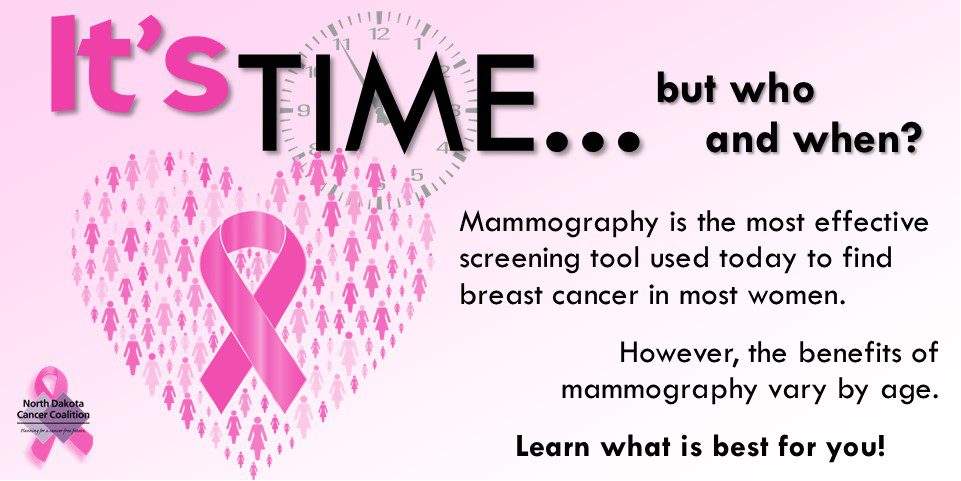
Compare breast cancer screening guidelines from the U.S. Preventive Services Task Force, American Cancer Society, American College of Obstetricians and Gynecologists and four other organizations.
Breast Cancer Screening Guidelines for Women Chart Read More