
Skin Cancer Awareness Month – May 2025
Skin Cancer Awareness Month – May 2025 Read More

The Melanoma Education Foundation is a non-profit preventive health organization that saves lives by promoting greater awareness of melanoma and the importance of early self-detection. The Foundation evolved from a
Melanoma Education for Middle and High School Read More

Learn about some of the damaging effects that too much ultraviolet (UV) radiation exposure can have on the skin. You’ll also find tips to help you protect yourself and your
Be Safe in the Sun: Adults Read More

Created and developed by The University of Texas MD Anderson Cancer Center, Ray and the Sunbeatables®: A Sun Safety Curriculum for Pre-K through 1 and Be Sunbeatable™ for grades 2-5,
Ray and the Sunbeatables: Pre-school to 5th grade Curriculum Read More
NEEF’s SunWise program is a free environmental and health education program that teaches K-8 children about sun safety, UV radiation, and stratospheric ozone. Educators, parents, caregivers, and others who register
Sunwise Toolkit K-8 Curriculum Read More
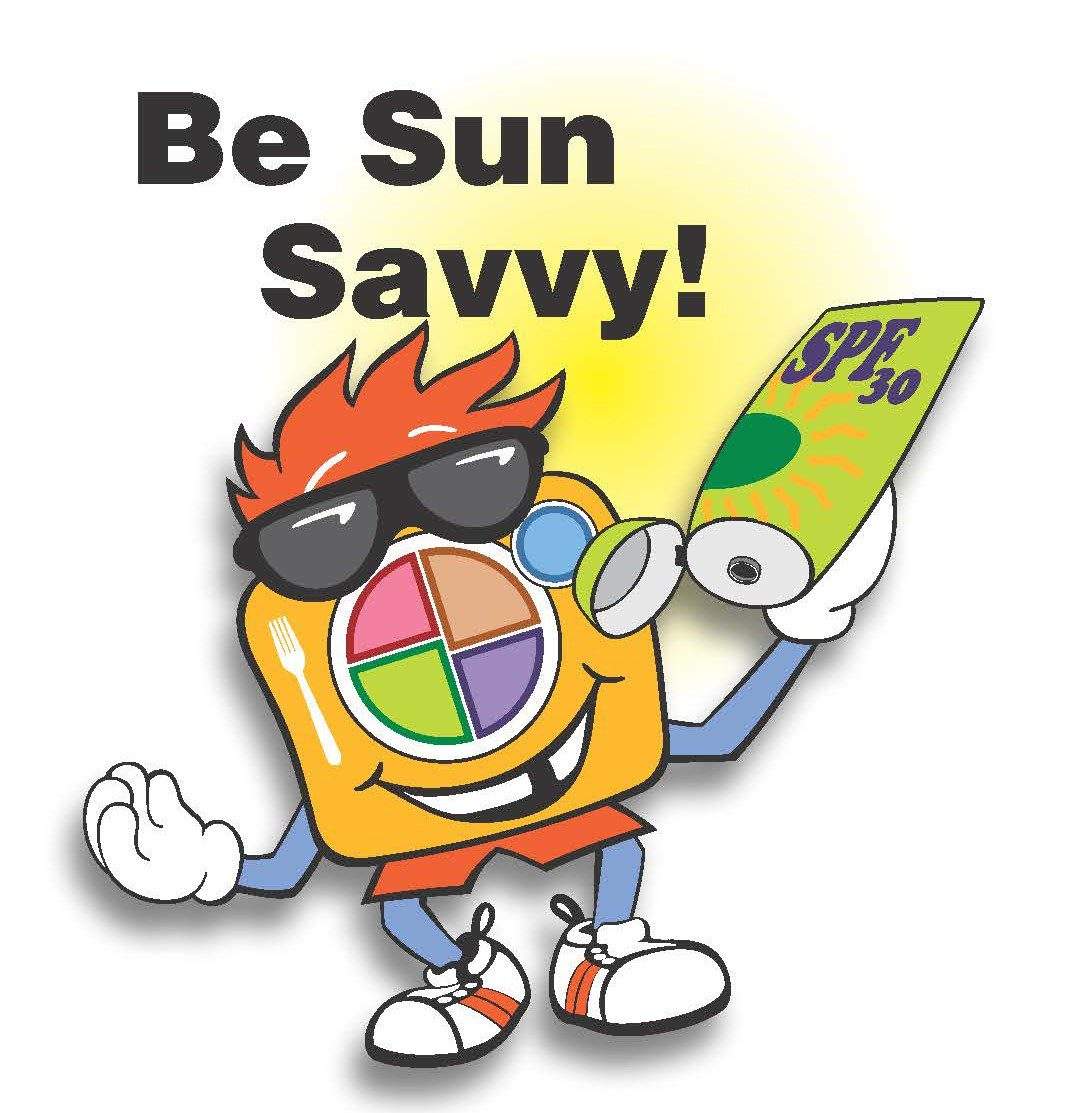
Use this printable bookmark to educate kids how to be sun safe!
Be Sun Savvy Bookmark Read More
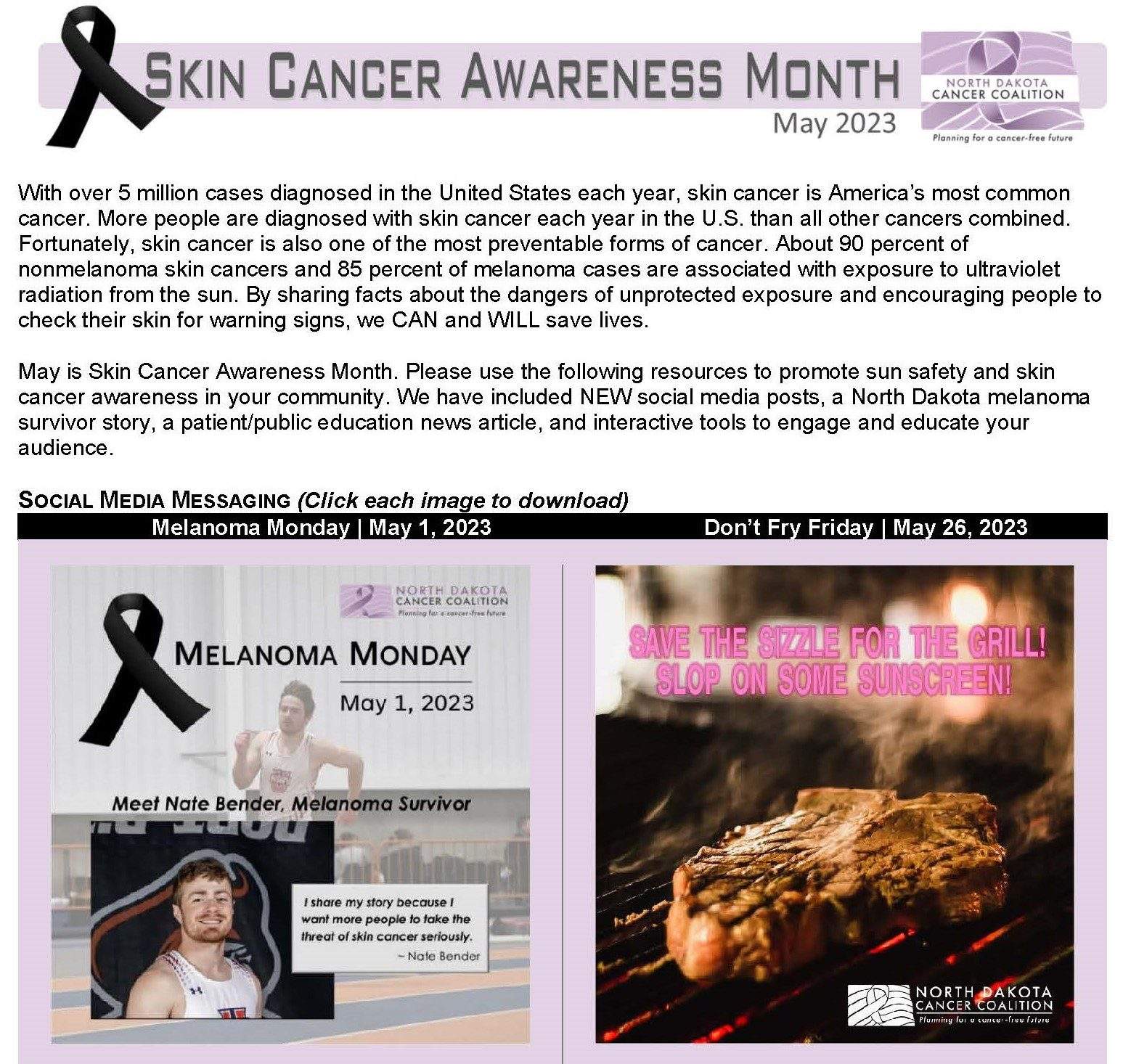
With over 5 million cases diagnosed in the United States each year, skin cancer is America’s most common cancer. More people are diagnosed with skin cancer each year in the
2023 Skin Cancer Awareness Resources Read More
This resource from the American College of Dermatology helps parents know what to teach their children about sun protection to help them develop sun-safe habits that last a lifetime.
Children and Skin Cancer Read More
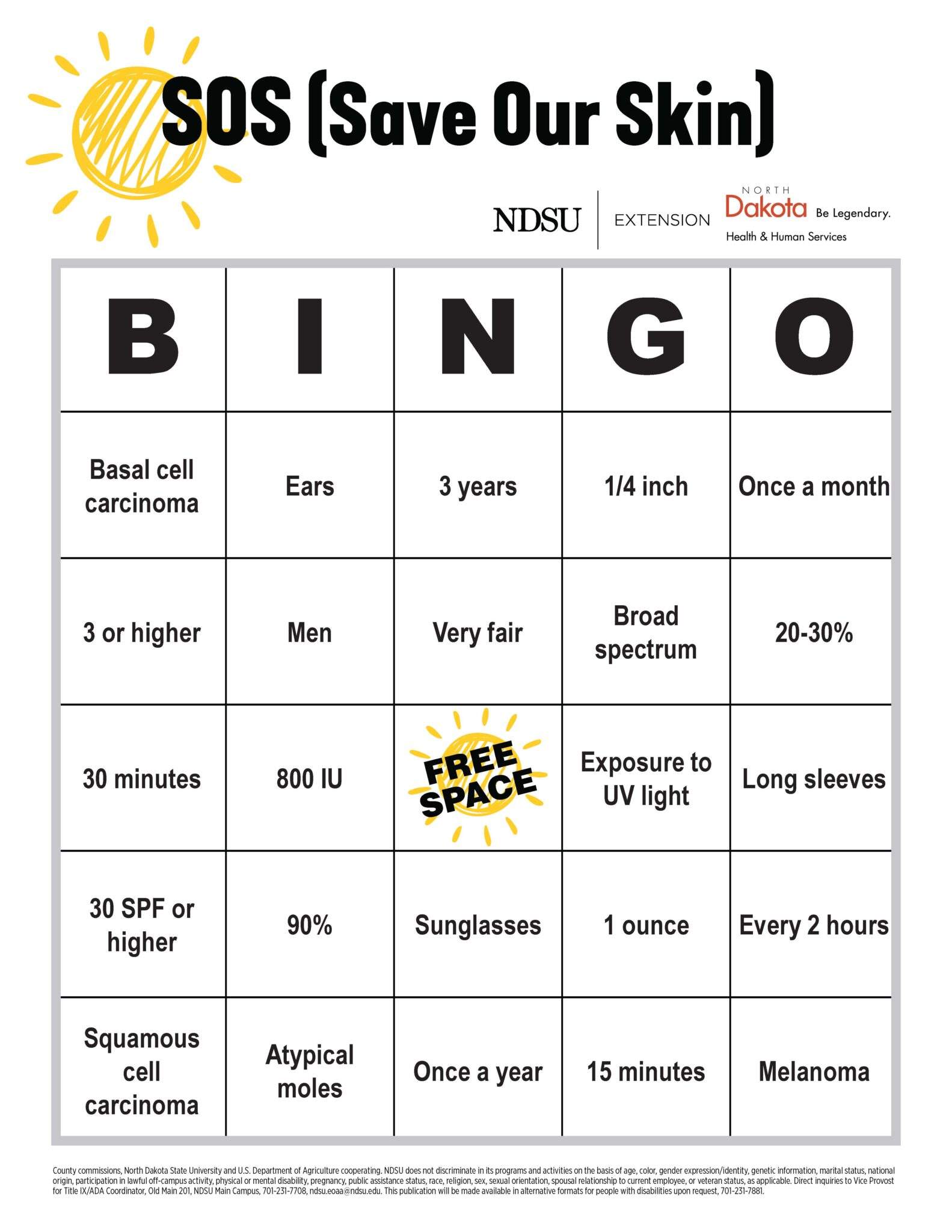
Use this bingo game to teach adults how to “save their skin” from sun damage and skin cancer. This educational resource includes leader instructions, participant questions, and 30 unique bingo
Save Our Skin (SOS) Bingo Read More
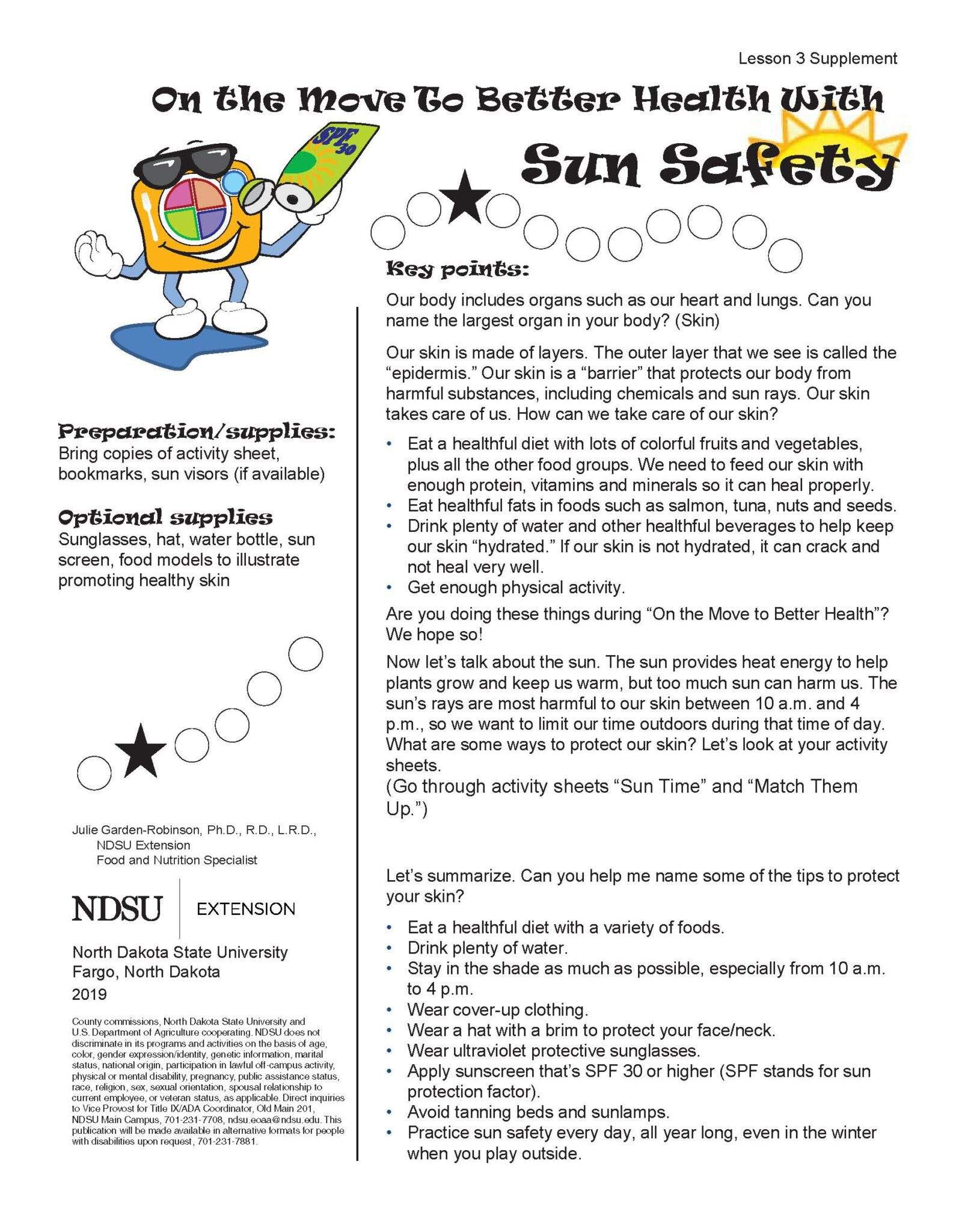
This module for Grades 3-5 teaches students the importance of sun safety and includes key points, sun safety pledge, activities and a letter to parents.
On the Move to Better Health Sun Safety | Module for Grades 3 through 5 Read More
Learn risk factors, symptoms, prevention, and early detection of lung cancer.
Lung Cancer Risk Factors, Symptoms, Prevention and Early Detection Read More
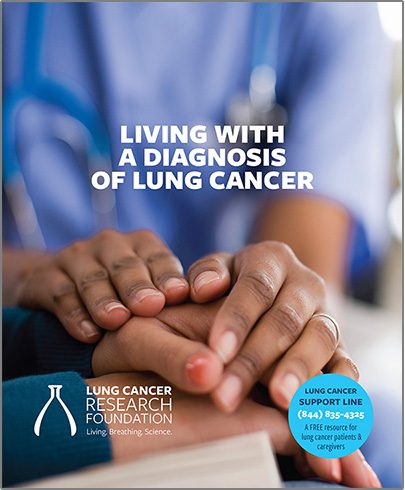
Learn the basics about lung cancer and how it’s treated in this booklet for newly diagnosed patients and their caregivers.
Resources for Patients and Caregivers Read More
Leading Cancer Cases and Deaths, All Races and Ethnicities, Male and Female, 2019, can be searched on this page.
North Dakota Lung Cancer Statistics Read More
Access the statewide programs recommended by the CDC that combine and coordinate community-based interventions.
Lung Cancer Evidence-Based Strategies Read More

Find featured lung cancer videos, downloadable worksheets, interactive tools, data and more.
Lung Cancer Resource Library Read More
The National Lung Screening Trial (NLST) provided the first solid evidence that screening with LDCT can reduce lung cancer mortality risk in ever-smokers who have smoked 30 pack-years or longer
Lung Cancer PDQ for Health Professionals Read More
Lung cancer is the leading cause of cancer death. Learn the risk factors and how you can prevent lung cancer.
Basic Information About Lung Cancer Read More
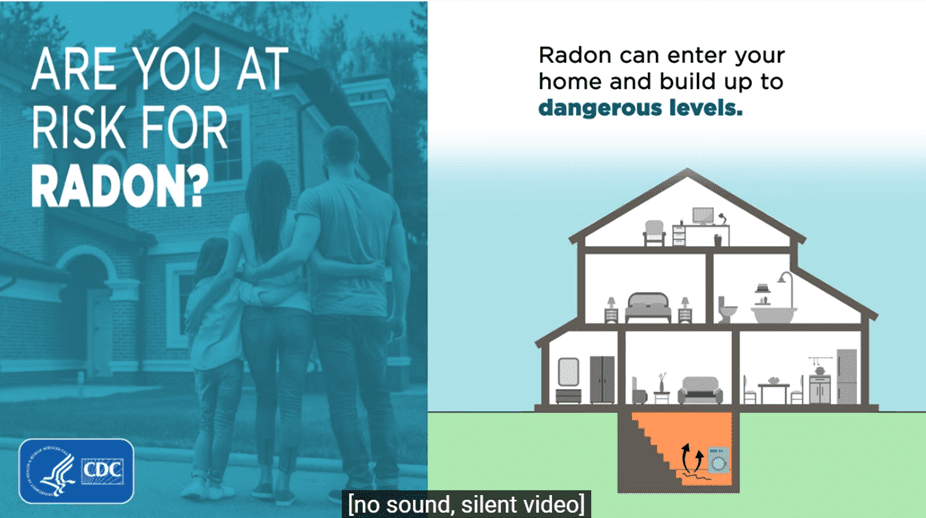
Learn the risks of radon in your home.
Are You At Risk for Radon (Video) Read More
Free brochures, fact sheets, and other educational materials from the Centers for Disease Control and Prevention (CDC).
Right to Know Campaign Read More

Health care providers can play a critical role in helping to reduce the incidence of hereditary breast and ovarian cancer by identifying patients with elevated risk. These guidelines can help
A woman’s lifetime risk of developing breast and/or ovarian cancer is markedly increased if she inherits a harmful variant in BRCA1 or BRCA2. Learn more about risks and testing.
BRCA Gene Mutations: Cancer Risk and Genetic Testing Read More
The Breast Cancer Risk Assessment Tool allows health professionals to estimate a woman’s risk of developing invasive breast cancer over the next 5 years and up to age 90 (lifetime risk).
Breast Cancer Risk Assessment Tool Read More
Learn more about risk factors and symptoms of breast cancer.
Breast Cancer Risk Factors and Symptoms Read More
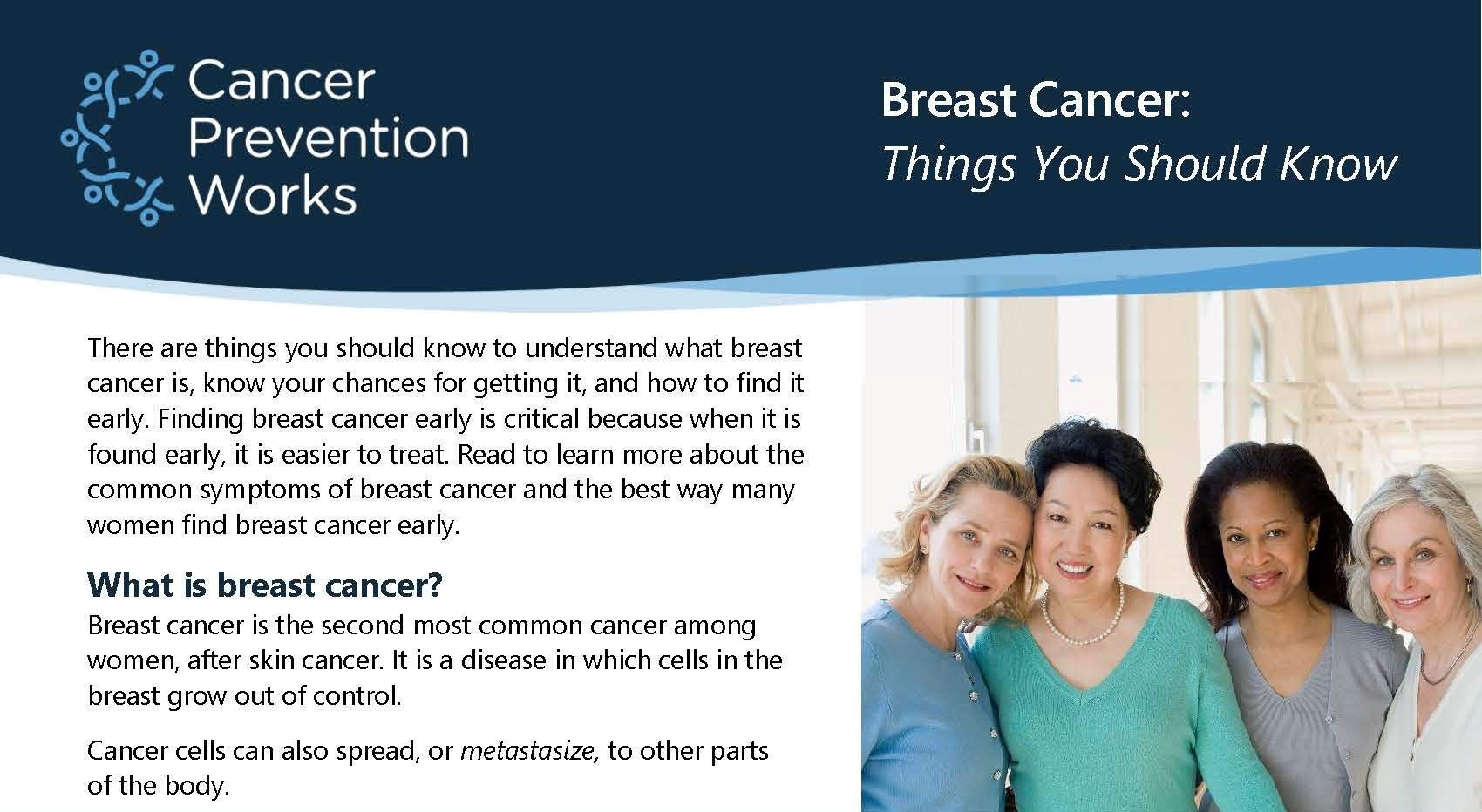
There are things you should know to understand what breast cancer is, know your chances for getting it, and how to find it early.
Breast Cancer: Things You Should Know Read More

Talk with your doctor about when and how often to get mammograms.
Get Tested for Breast Cancer Read More
Lung cancer incidence, treatment and screening rates can be found here.
North Dakota Lung Cancer Statistics (2020) Read More
The USPSTF recommends annual screening for lung cancer with low-dose computed tomography (LDCT) in adults aged 50 to 80 years who have a 20 pack-year smoking history and currently smoke
Lung Cancer Screening Guidelines (USPSTF) Read More