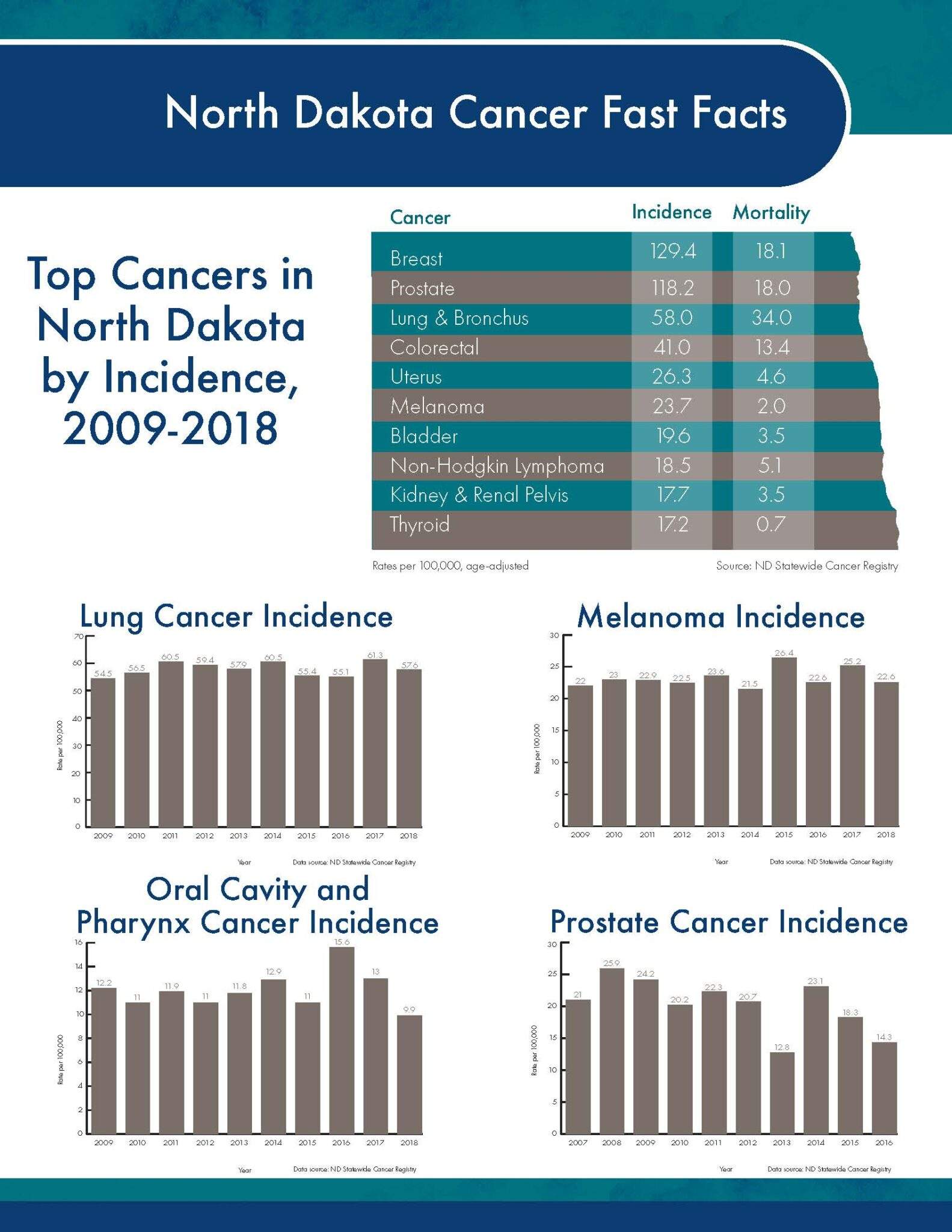

Breast Cancer Toolkit
Breast Cancer Toolkit Read More

The NCCRT Steps Guide provides a step-by-step format for implementing evidence-based, expert-endorsed strategies to improve colorectal cancer screening rates in primary care practices. The ScreeND program, a colorectal cancer screening improvement program from Quality
Colorectal Cancer Screening Improvement Toolkit Read More
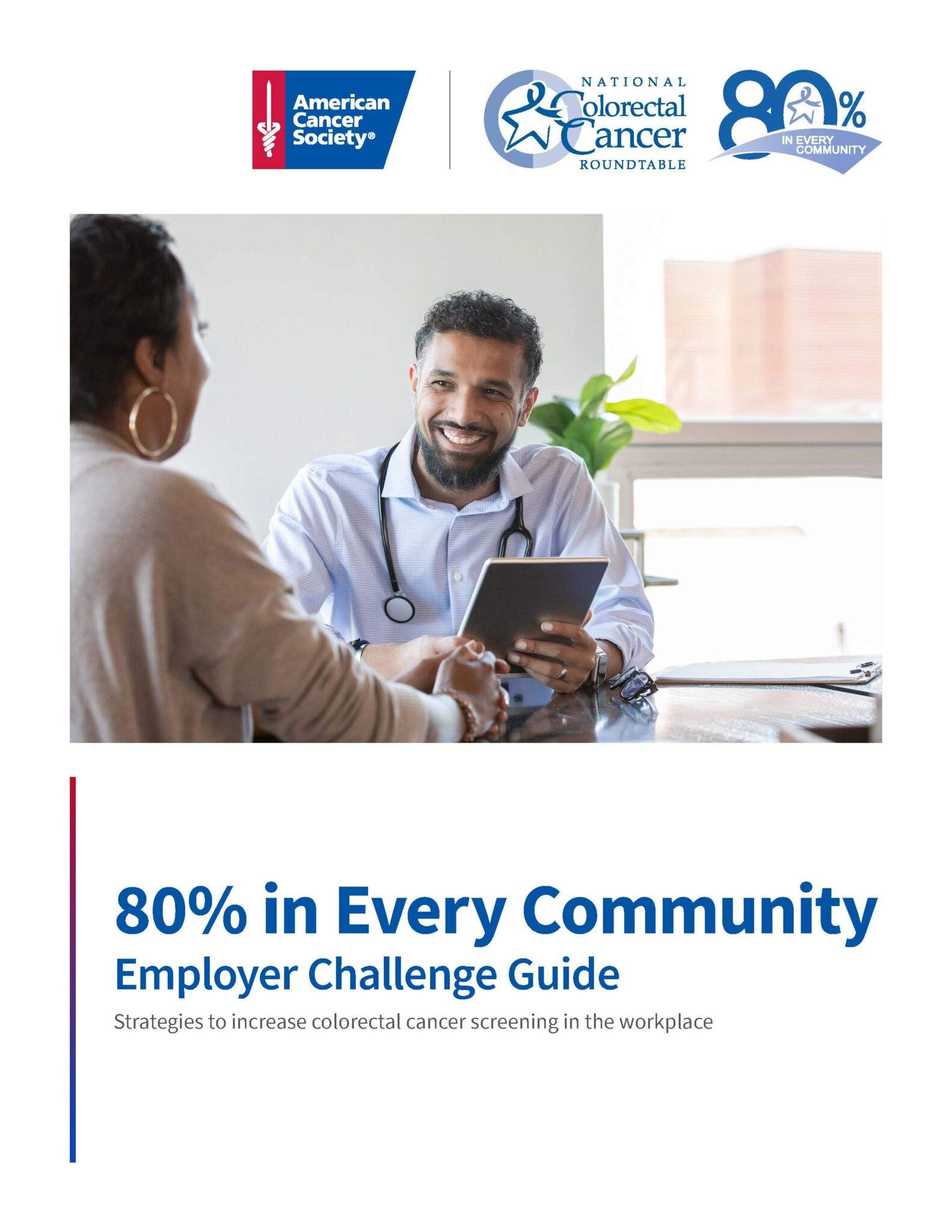
This guide provides tools, resources, and messaging to make it easy for employers to effectively increase timely, quality colorectal cancer screening in their workforce.
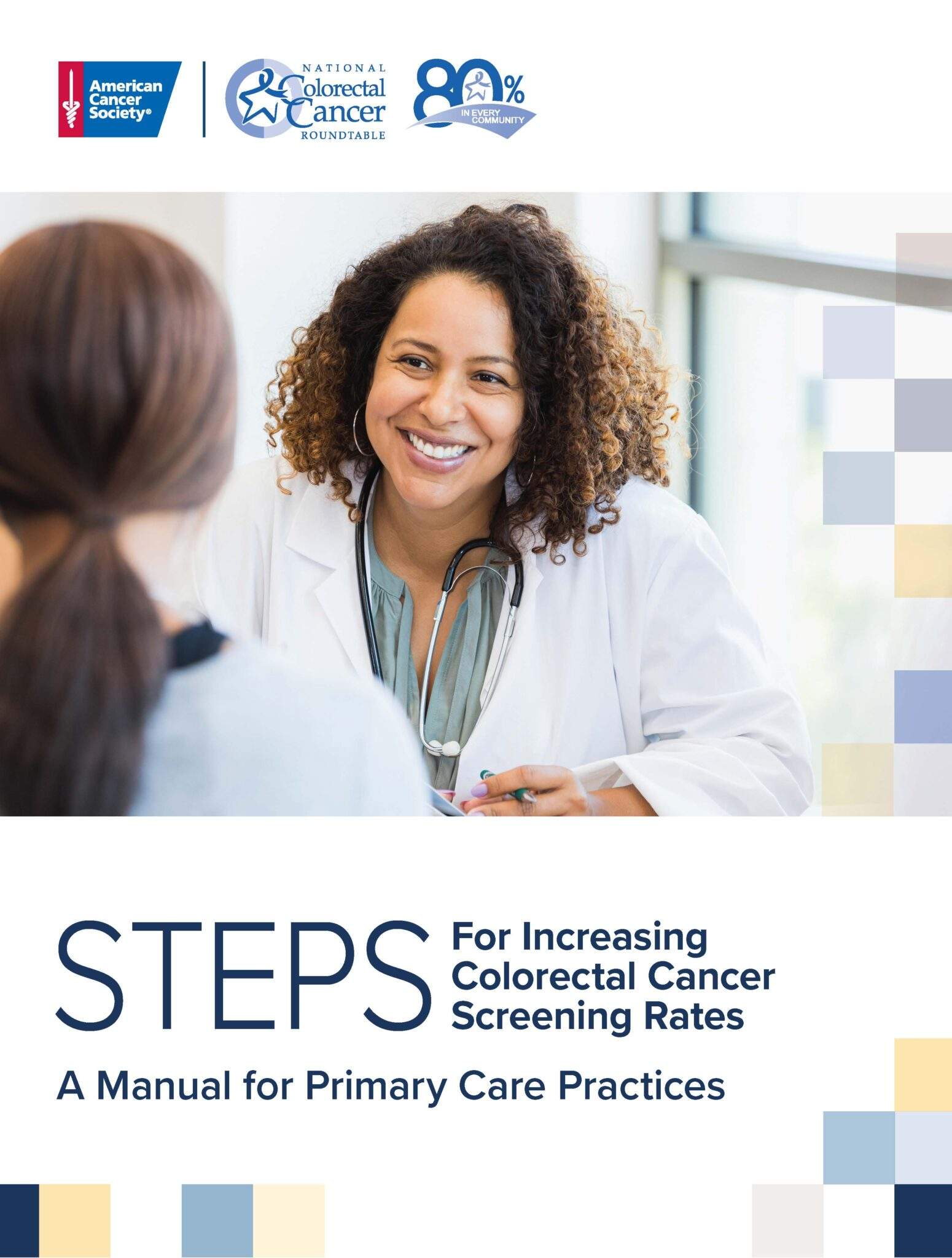
Through a step-by-step format, this manual provides evidence-based, expert-endorsed strategies to improve colorectal cancer screening rates in primary care practices.
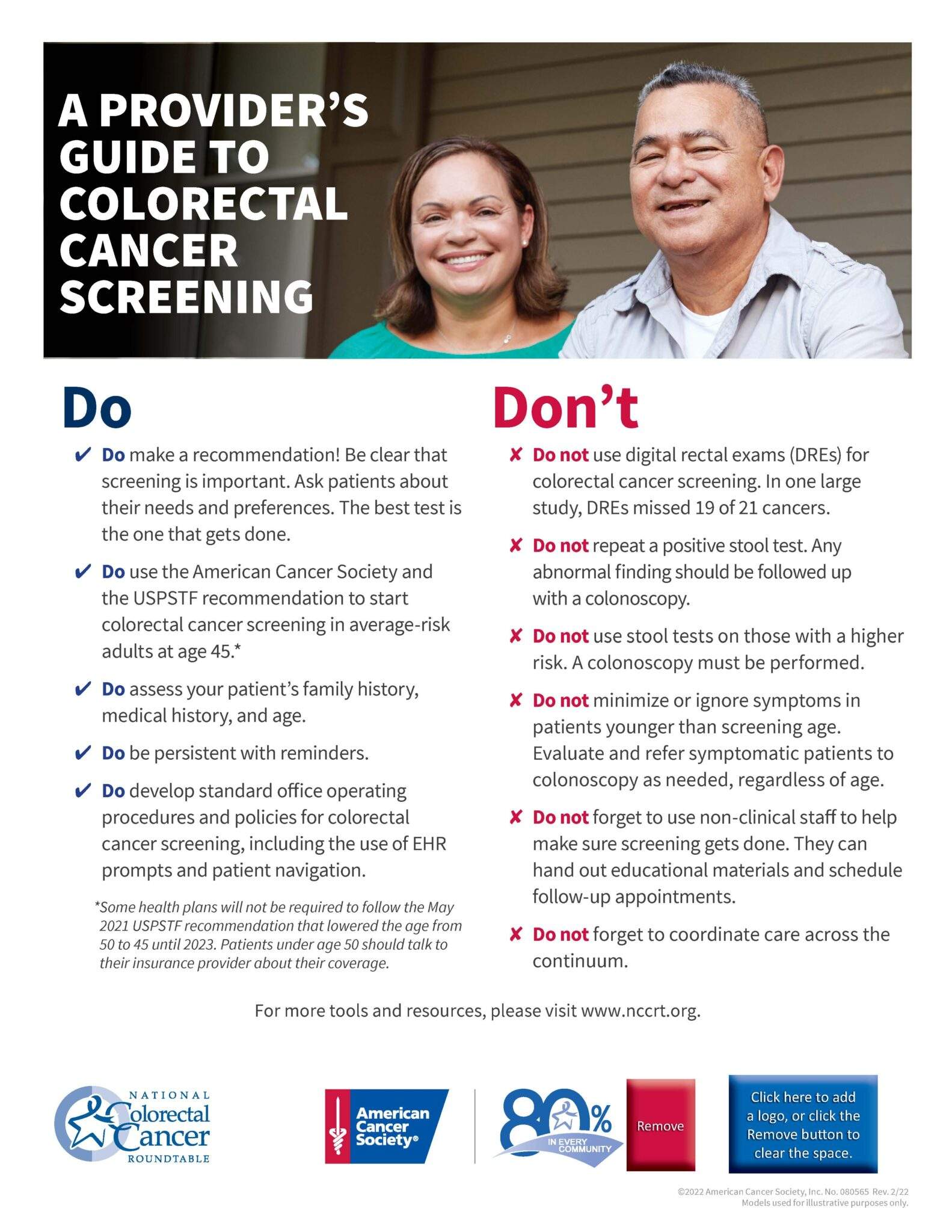
This one-page flyer may be used to remind clinicians about some of the dos and don’ts when it comes to colorectal cancer screening. This version references the starting age of
The Dos and Don’ts of Colorectal Cancer Screening Read More
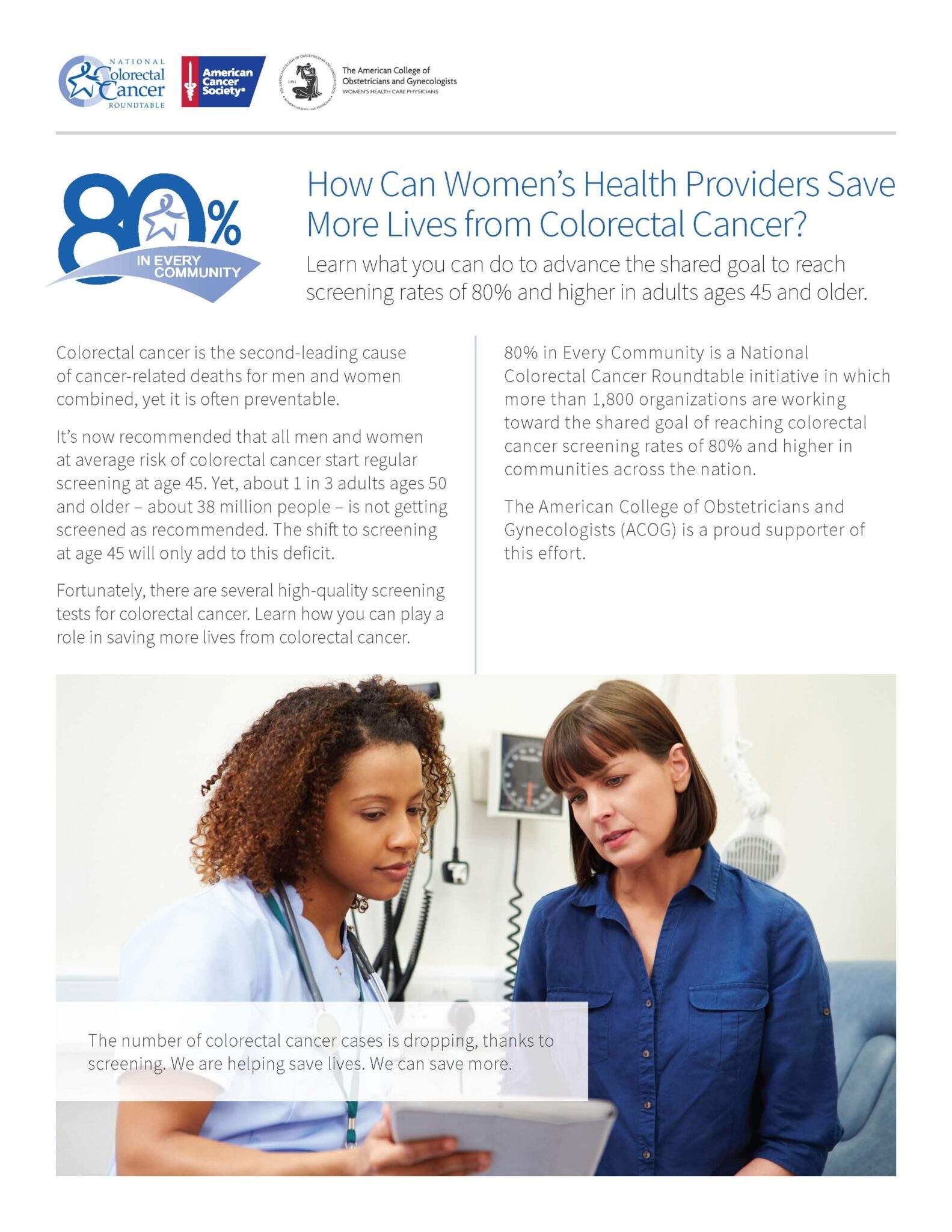
This brief shares how women’s health providers can help advance the shared goal to reach colorectal cancer screening rates of 80% and higher in adults ages 45 and older.
How Can Women’s Health Providers Save More Lives from Colorectal Cancer? Read More
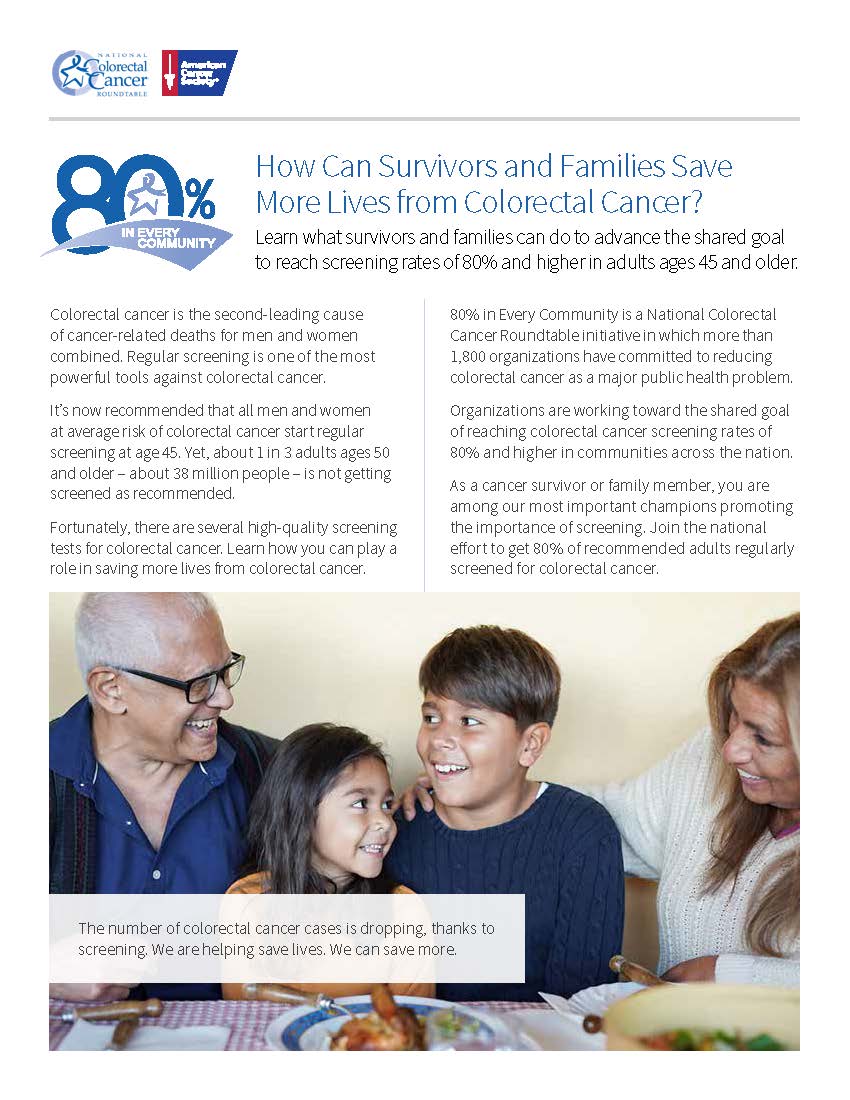
This brief shares how survivors and families can help advance the national effort to reach colorectal cancer screening rates of 80% and higher in adults ages 45 and older.
How Can Survivors & Families Save More Lives from Colorectal Cancer? Read More
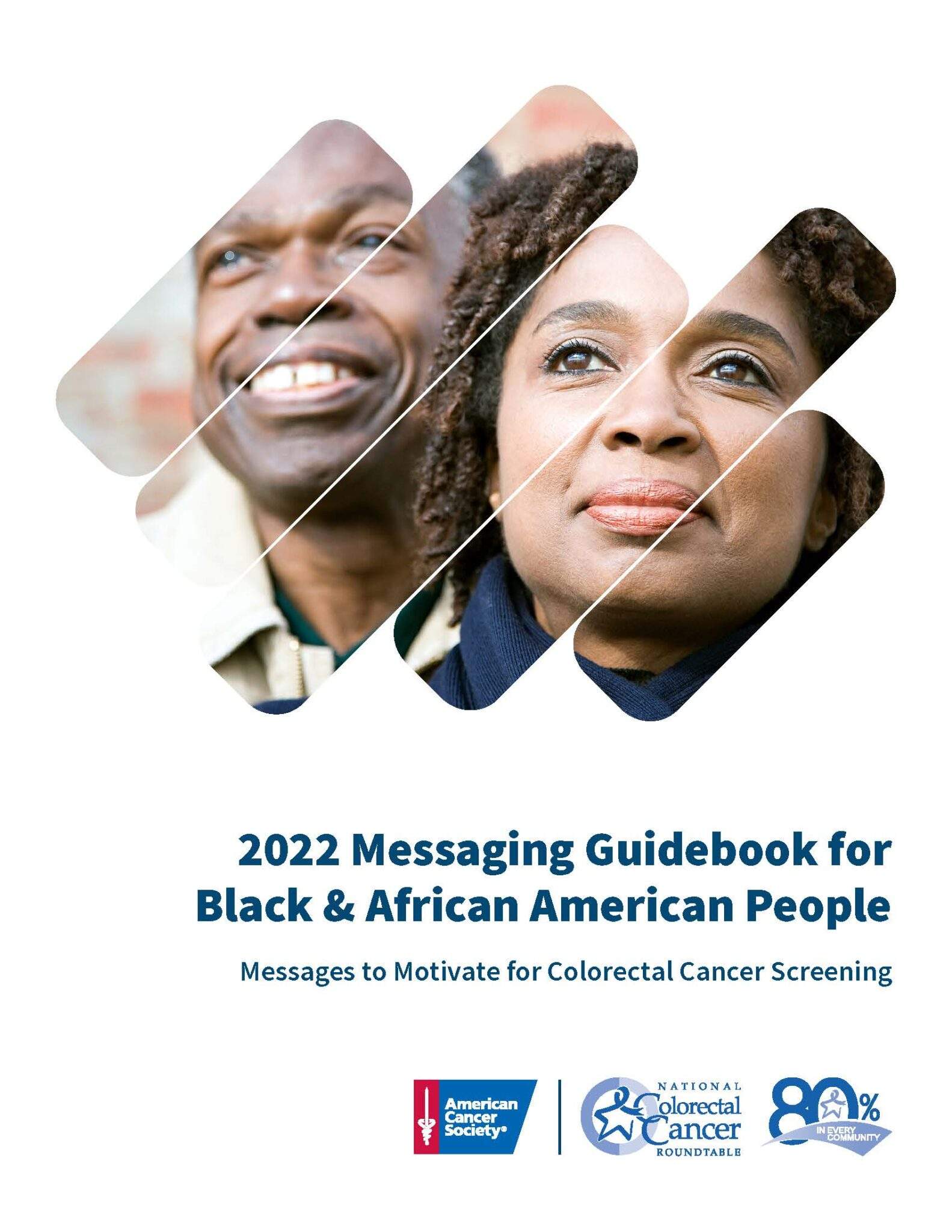
The 2022 Messaging Guidebook for Black & African American People: Messages to Motivate for Colorectal Cancer Screening is intended to provide you with information and tools to help you work towards closing disparity
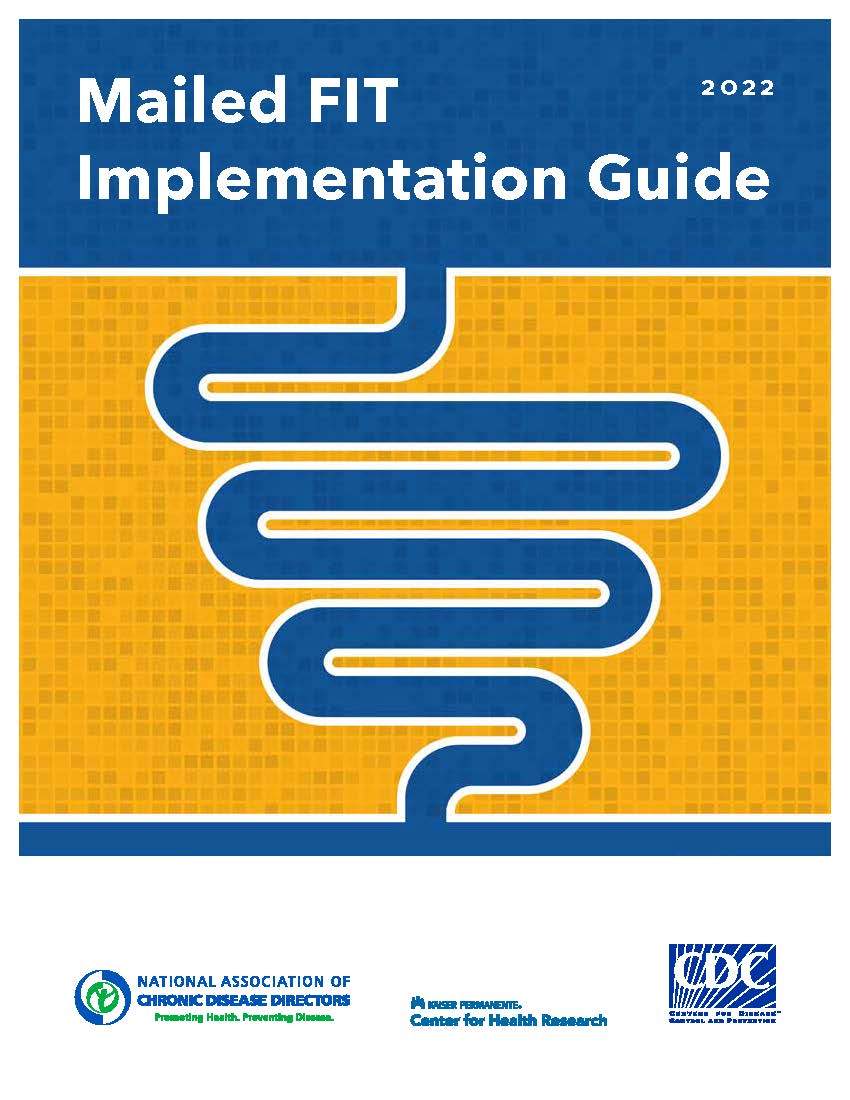
The Mailed FIT Implementation Guide provides a roadmap for how health systems and other entities can design and carry out mailed fecal immunochemical test (FIT) outreach programs, including information on
Mailed FIT Implementation Guide Read More
Learn risk factors, symptoms, prevention, and early detection of lung cancer.
Lung Cancer Risk Factors, Symptoms, Prevention and Early Detection Read More
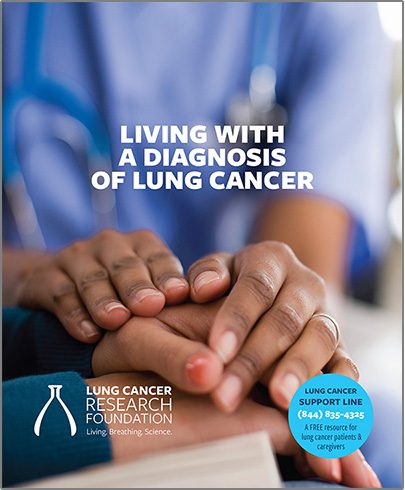
Learn the basics about lung cancer and how it’s treated in this booklet for newly diagnosed patients and their caregivers.
Resources for Patients and Caregivers Read More
Leading Cancer Cases and Deaths, All Races and Ethnicities, Male and Female, 2019, can be searched on this page.
North Dakota Lung Cancer Statistics Read More
Access the statewide programs recommended by the CDC that combine and coordinate community-based interventions.
Lung Cancer Evidence-Based Strategies Read More
Find featured lung cancer videos, downloadable worksheets, interactive tools, data and more.
Lung Cancer Resource Library Read More

The National Lung Screening Trial (NLST) provided the first solid evidence that screening with LDCT can reduce lung cancer mortality risk in ever-smokers who have smoked 30 pack-years or longer
Lung Cancer PDQ for Health Professionals Read More
Lung cancer is the leading cause of cancer death. Learn the risk factors and how you can prevent lung cancer.
Basic Information About Lung Cancer Read More
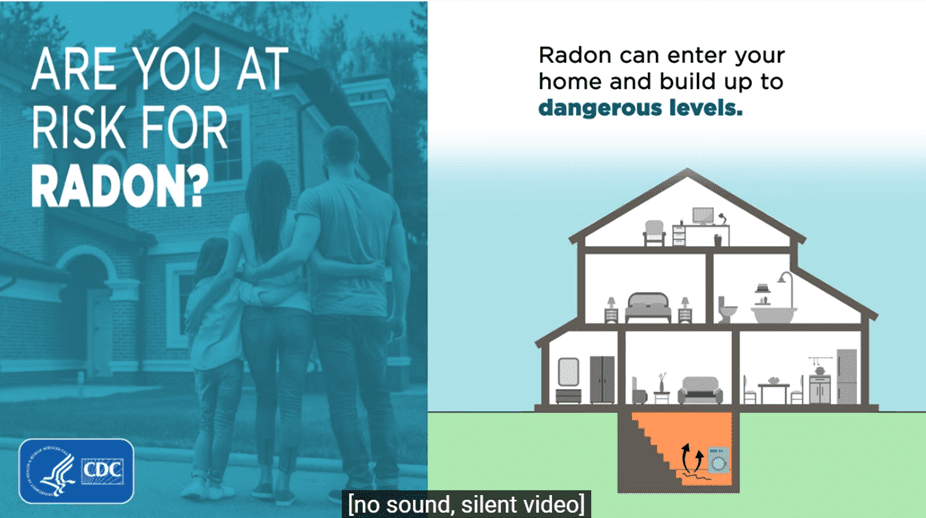
Learn the risks of radon in your home.
Are You At Risk for Radon (Video) Read More
CDC’s Screen for Life: National Colorectal Cancer Action Campaign informs men and women who are 45 years old or older about the importance of getting screened for colorectal cancer regularly.
Screen for Life Campaign Read More
The videos in this collection explain colon cancer risk factors, screening tests, treatments, and more.

Colorectal cancer is the second most common cancer among Native people, and the second leading cause of cancer death. Learn more.
End Colon Cancer in Indian Country Read More
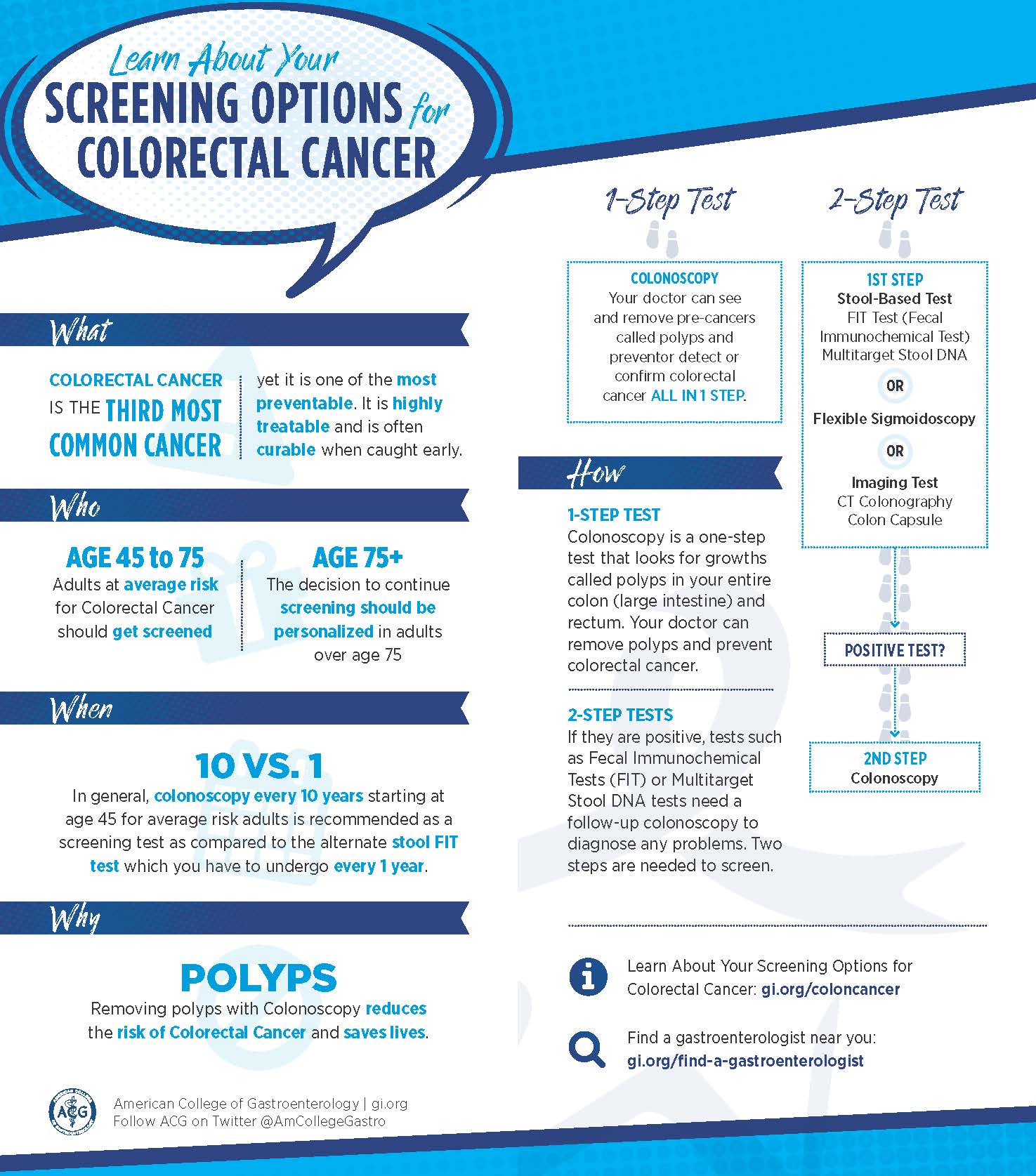
Know all of the options available for colorectal cancer screening.
Learn About Your Screening Options Read More
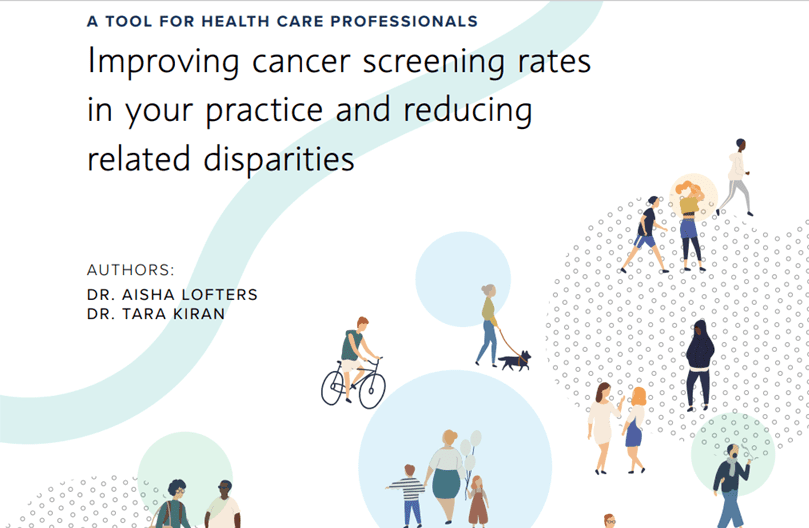
Primary care plays a central role in cancer screening. This practical toolkit helps primary care providers improve cancer screening rates in their practices and reduce related disparities, based on research
Improving Cancer Screening Rates in Your Practice and Reducing Related Disparities Read More
This document provides an action-oriented playbook for how NCCRT members, 80% pledged partners, and colorectal cancer screening advocates across the nation can work together to reignite our screening efforts appropriately,
The ACS recommends that people at average risk of colorectal cancer start regular screening at age 45. This can be done either with a sensitive test that looks for signs
American Cancer Society Guideline for Colorectal Cancer Screening Read More
Cervical Cancer Awareness Month is intended to raise awareness of cervical cancer and to promote research into its cause, prevention, diagnosis, treatment, survivorship and cure.
Cervical Cancer Awareness Month Read More
Review this generous list of cervical cancer survivor stories from the American Cancer Society.
Evidence shows these interventions increase cervical cancer screening rates when community health workers deliver them independently or as part of an implementation team. In addition, economic evidence shows these interventions
Cancer Screening: Interventions Engaging Community Health Workers – Cervical Cancer Read More
Parents may be interested in vaccinating, yet still have questions. Taking the time to listen to parents’ questions helps you save time and give an effective response. CDC research shows
Tips and Time-savers for Talking with Parents about HPV Vaccine Read More