
Distress Thermometer
This tool helps providers assess a patient’s distress level.
Distress Thermometer Read More
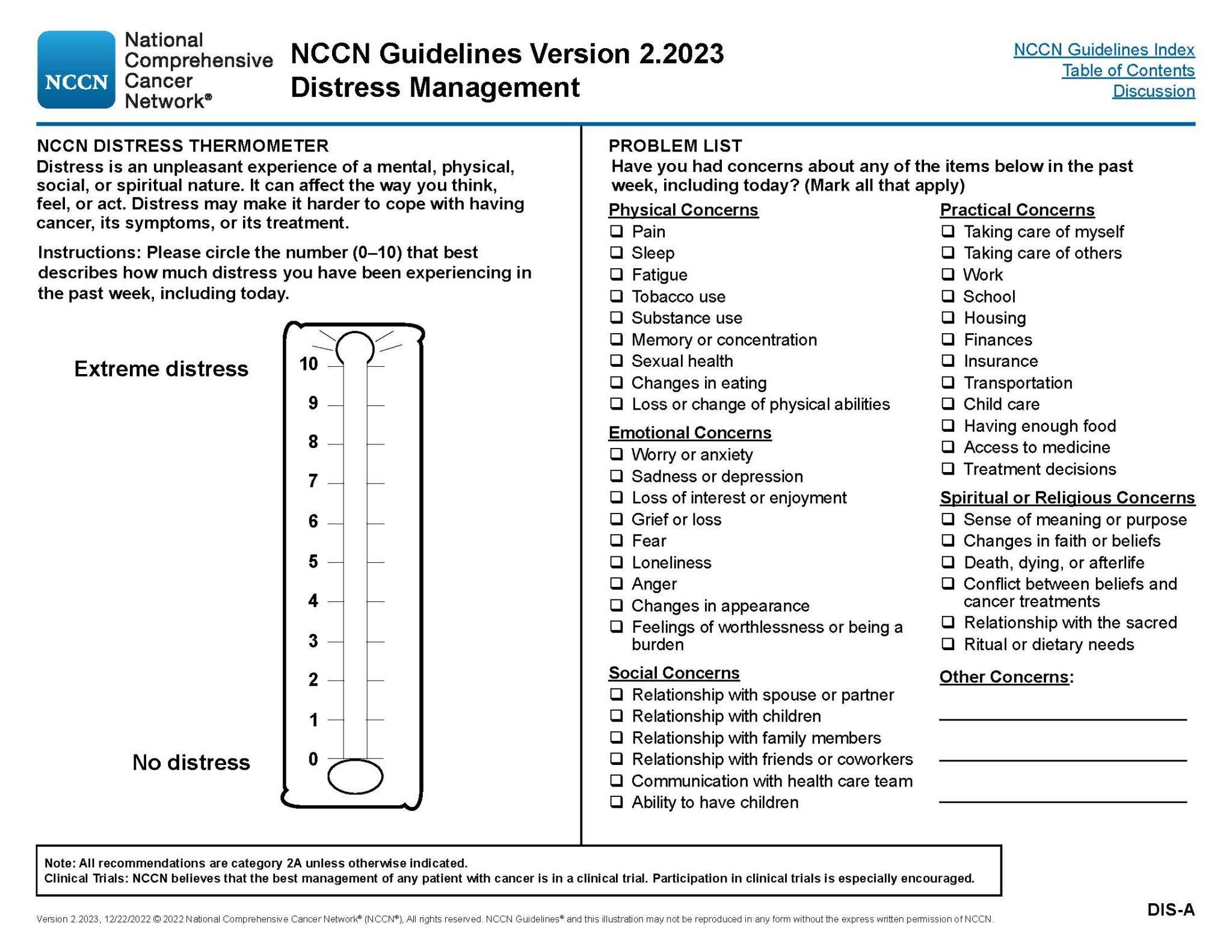
This tool helps providers assess a patient’s distress level.
Distress Thermometer Read More

Everyone with cancer has distress at some point in time. Distress is normal. This booklet is a guide to understanding distress and where you can go for help when you
Distress During Cancer Care Read More
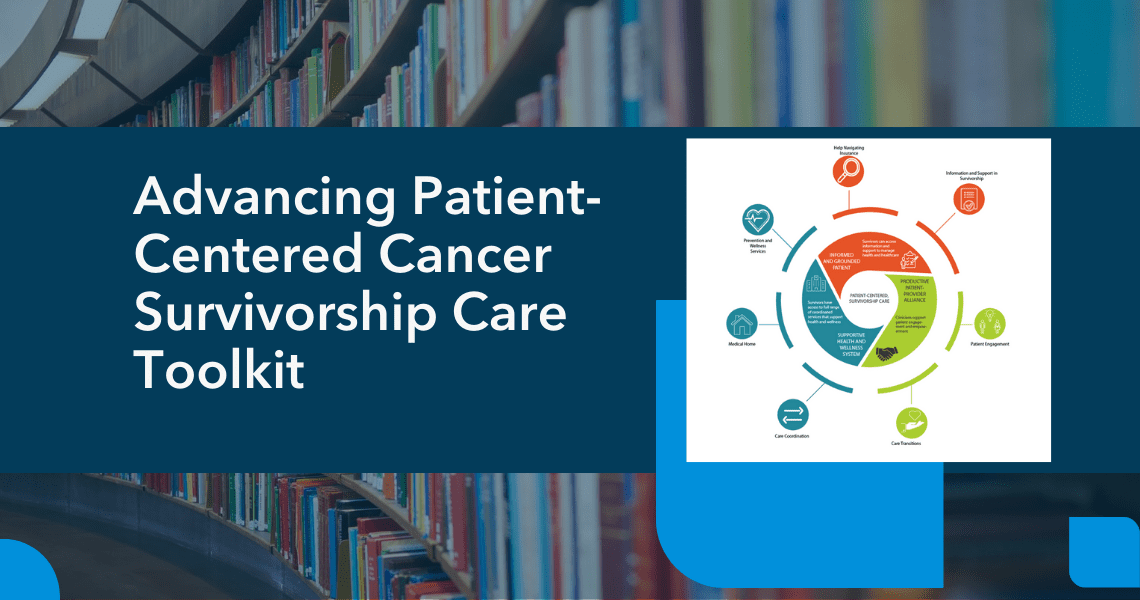
The Advancing Patient-Centered Cancer Survivorship Care Toolkit supports training and technical assistance to improve patient-centered cancer survivorship care.
Advancing Patient-Centered Cancer Survivorship Care Toolkit Read More
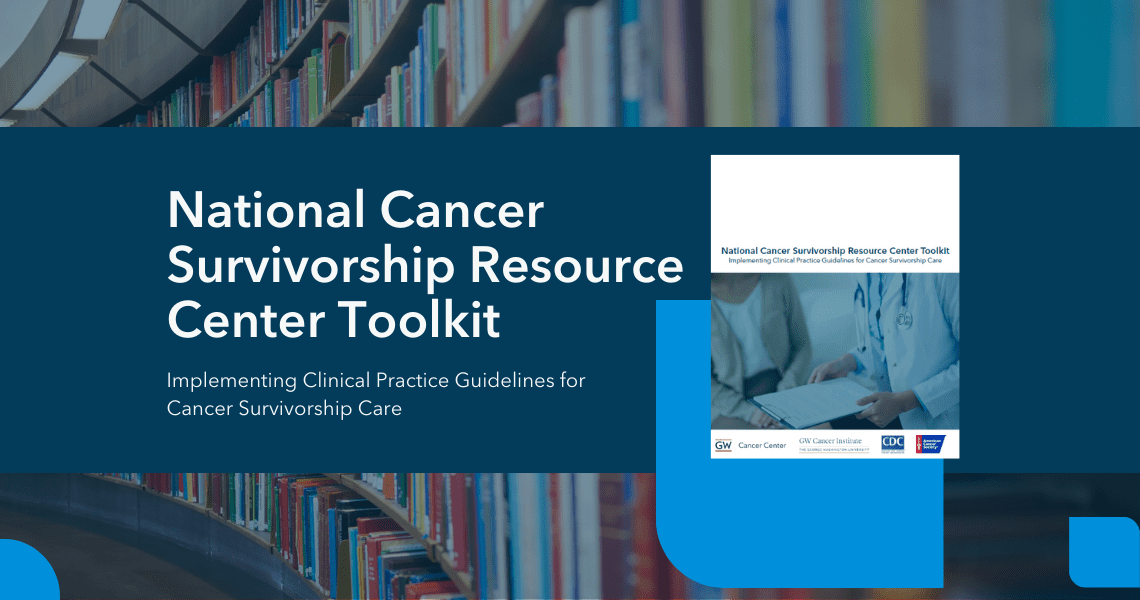
This resource offers help with implementing the American Cancer Society cancer survivorship care guidelines for colorectal, head and neck and prostate cancers and the American Cancer Society/American Society of Clinical
National Cancer Survivorship Resource Center Tools Read More

Learn about tools that health care providers can use to conduct distress screening with cancer survivors from Dr. Natasha Buchanan Lunsford, a clinical health psychologist in CDC’s Division of Cancer
Patient-Provider Communication: Improving the Mental Health of Cancer Survivors (Video) Read More
This award-winning Cancer Survival Toolbox is a free audio program. It was created by leading cancer organizations to help people develop skills to better meet and understand the challenges of
Cancer Survival Toolbox Read More

This is a web-based application designed to enhance knowledge and increase patient participation in the decision-making process for prostate cancer screening.
A Web-based Decision Aid for Prostate Cancer Screening Read More
Parents may be interested in vaccinating, yet still have questions. Taking the time to listen to parents’ questions helps you save time and give an effective response. CDC research shows
Tips and Time-savers for Talking with Parents about HPV Vaccine Read More

The American Cancer Society recommends that women follow recommended guidelines to help find cervical cancer early as well as pre-cancers, which can be treated to keep cervical cancer from starting.
People are living longer after a cancer diagnosis because of advances in early detection and treatment. Medical and public health professionals can help prepare survivors for the possible long-term and
Caring for Cancer Survivors Read More

The National Cancer Survivors Day Foundation encourages resolving the issues of cancer survivorship through public education and awareness. Explore these resources to learn more about the challenges cancer survivors face.
National Cancer Survivors Day Read More
Review prostate prevention, screening, treatment, and genetics information.
Prostate Cancer – Health Professional Version Read More
The American Cancer Society (ACS) recommends that men have a chance to make an informed decision with their health care provider about whether to be screened for prostate cancer. Learn
American Cancer Society Recommendations for Prostate Cancer Early Detection Read More
The Inside Knowledge campaign raises awareness of the five main types of gynecologic cancer: cervical, ovarian, uterine, vaginal, and vulvar. It encourages women to pay attention to their bodies, so
Inside Knowledge About Gynecologic Cancer Read More