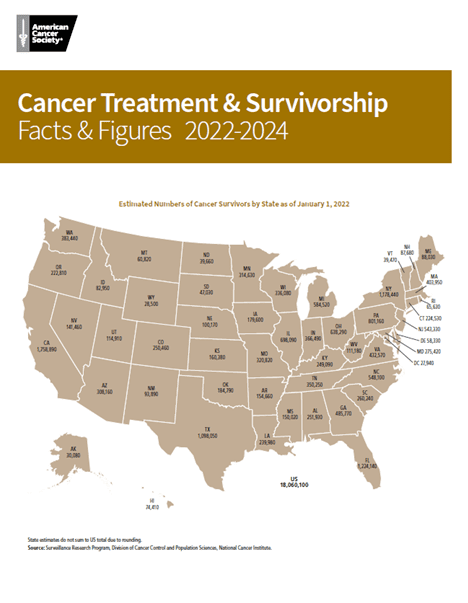

Breast Cancer Toolkit
Breast Cancer Toolkit Read More
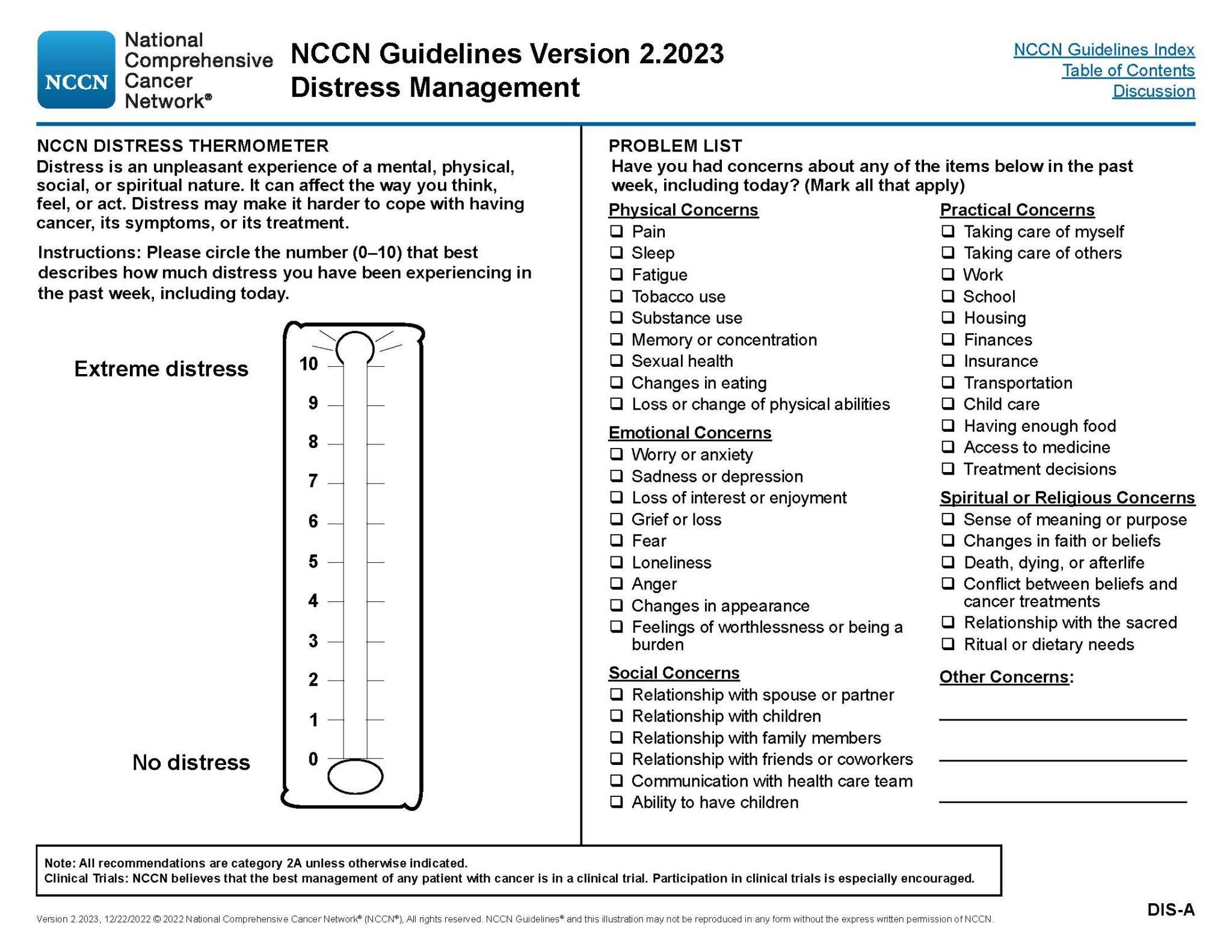
This tool helps providers assess a patient’s distress level.
Distress Thermometer Read More
Everyone with cancer has distress at some point in time. Distress is normal. This booklet is a guide to understanding distress and where you can go for help when you
Distress During Cancer Care Read More

This booklet will explain the why, what, how, and when of physical activity during and after cancer treatment.
Moving through Cancer | A Guide to Getting and Staying Active During Cancer Treatment Read More
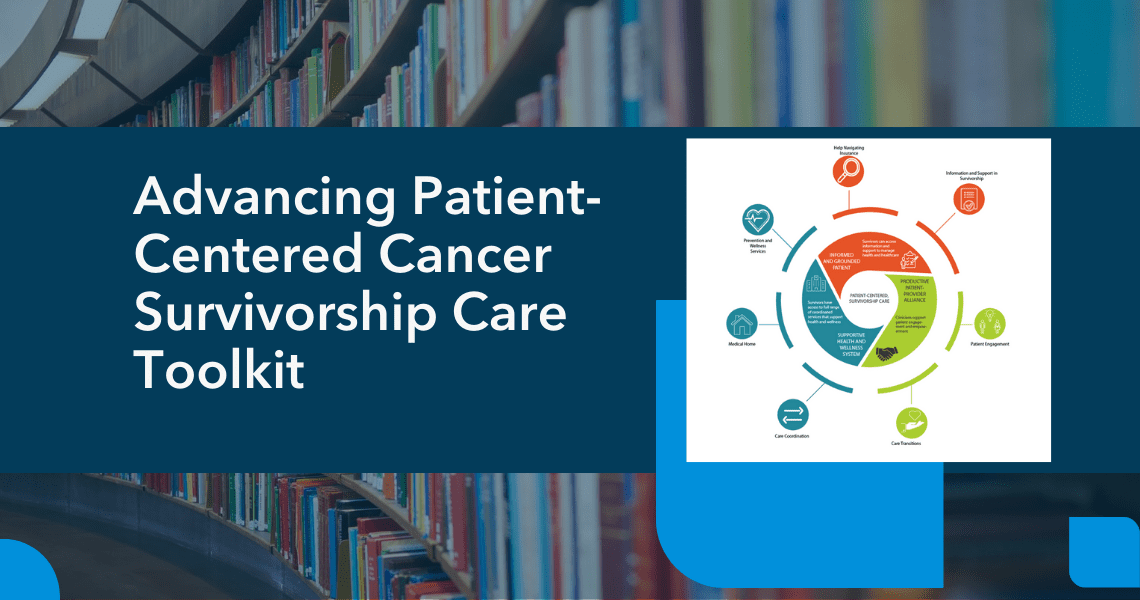
The Advancing Patient-Centered Cancer Survivorship Care Toolkit supports training and technical assistance to improve patient-centered cancer survivorship care.
Advancing Patient-Centered Cancer Survivorship Care Toolkit Read More
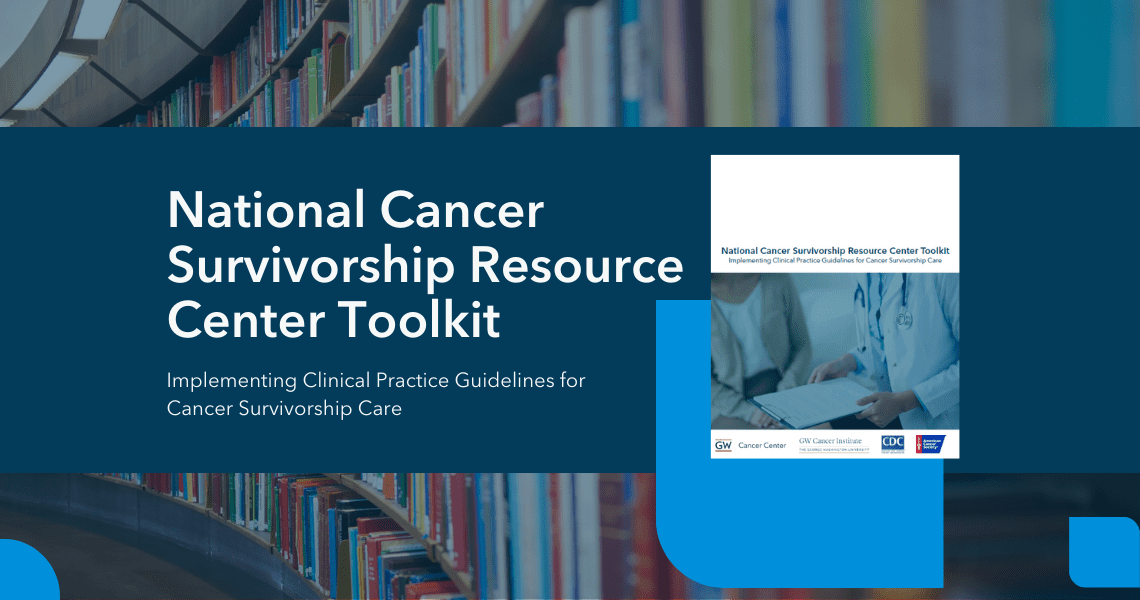
This resource offers help with implementing the American Cancer Society cancer survivorship care guidelines for colorectal, head and neck and prostate cancers and the American Cancer Society/American Society of Clinical
National Cancer Survivorship Resource Center Tools Read More

Learn about tools that health care providers can use to conduct distress screening with cancer survivors from Dr. Natasha Buchanan Lunsford, a clinical health psychologist in CDC’s Division of Cancer
Patient-Provider Communication: Improving the Mental Health of Cancer Survivors (Video) Read More

Information on this site focuses on follow-up care for your cancer treatment.
Follow-Up Medical Care Read More

The American Society of Clinical Oncology developed two forms that can help you keep track of important care plan information so it can be easily shared with health care providers
Cancer Treatment and Survivorship Care Plans Read More
A survivorship care plan includes important information about your cancer and treatment, which helps you and your doctors understand each other. Learn more.
Cancer Survivorship Care Plans Read More
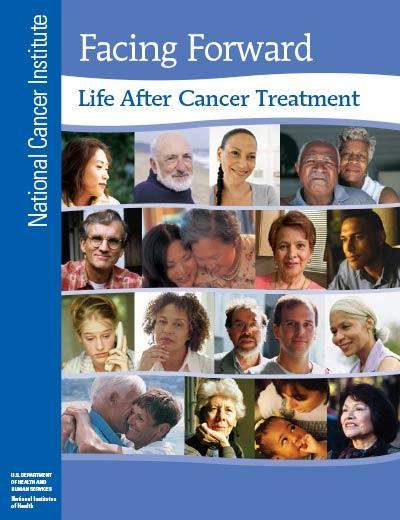
Facing Forward: Life After Cancer Treatment is a booklet for people who have completed cancer treatment.
Facing Forward: Life After Cancer Treatment Read More

The Cancer Survivorship Checklist is designed to be a simple, straightforward tool patients and caregivers can use as a guide for information critical to their care wherever they are on
Survivorship Checklist Read More
Explore information and tips on staying active and healthy during and after cancer treatment. You can also get information on managing your health care as a cancer survivor.
Survivorship: During and After Treatment Read More
This award-winning Cancer Survival Toolbox is a free audio program. It was created by leading cancer organizations to help people develop skills to better meet and understand the challenges of
Cancer Survival Toolbox Read More
Free brochures, fact sheets, and other educational materials from the Centers for Disease Control and Prevention (CDC).
Right to Know Campaign Read More

Health care providers can play a critical role in helping to reduce the incidence of hereditary breast and ovarian cancer by identifying patients with elevated risk. These guidelines can help
A woman’s lifetime risk of developing breast and/or ovarian cancer is markedly increased if she inherits a harmful variant in BRCA1 or BRCA2. Learn more about risks and testing.
BRCA Gene Mutations: Cancer Risk and Genetic Testing Read More
The Breast Cancer Risk Assessment Tool allows health professionals to estimate a woman’s risk of developing invasive breast cancer over the next 5 years and up to age 90 (lifetime risk).
Breast Cancer Risk Assessment Tool Read More

Learn more about risk factors and symptoms of breast cancer.
Breast Cancer Risk Factors and Symptoms Read More
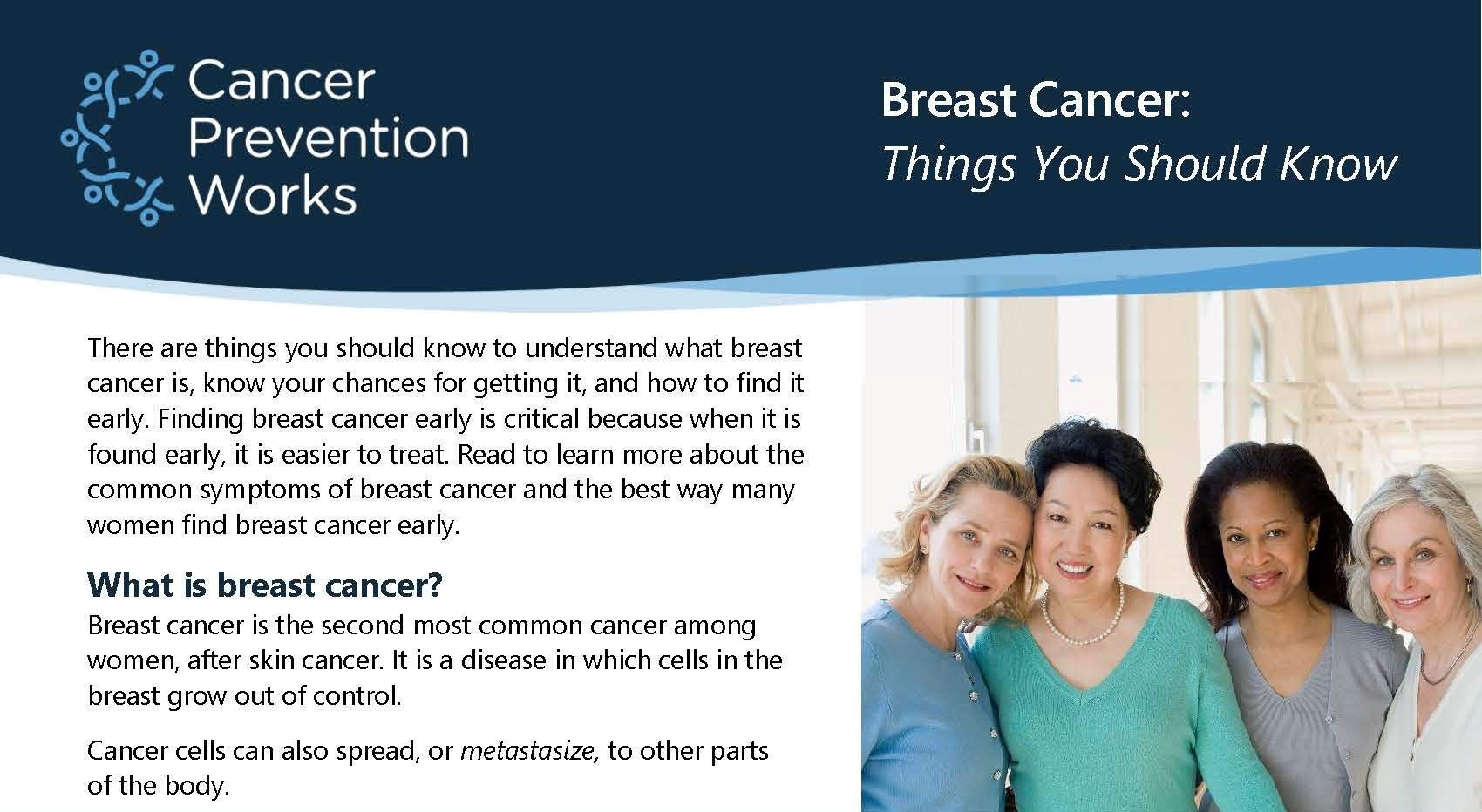
There are things you should know to understand what breast cancer is, know your chances for getting it, and how to find it early.
Breast Cancer: Things You Should Know Read More

Talk with your doctor about when and how often to get mammograms.
Get Tested for Breast Cancer Read More
People are living longer after a cancer diagnosis because of advances in early detection and treatment. Medical and public health professionals can help prepare survivors for the possible long-term and
Caring for Cancer Survivors Read More
Today, there are more than 16.9 million Americans alive with a history of cancer. This site’s survivorship section provides helpful information for cancer survivors and their friends and family.
What is Survivorship? Read More
The National Cancer Survivors Day Foundation encourages resolving the issues of cancer survivorship through public education and awareness. Explore these resources to learn more about the challenges cancer survivors face.
National Cancer Survivors Day Read More

The Bring Your Brave campaign provides information about breast cancer to women younger than age 45 by sharing real stories about young women whose lives have been affected by breast
Bring Your Brave Campaign Read More
Compare breast cancer screening guidelines from the U.S. Preventive Services Task Force, American Cancer Society, American College of Obstetricians and Gynecologists and four other organizations.
Breast Cancer Screening Guidelines for Women Chart Read More
Visiting the doctor can be stressful. It helps to have questions for the doctor written down ahead of time.
Mammograms: Questions for the Doctor Read More