Skin Cancer Awareness Month – May 2025
Skin Cancer Awareness Month – May 2025 Read More

Use this printable bookmark to educate kids how to be sun safe!
Be Sun Savvy Bookmark Read More
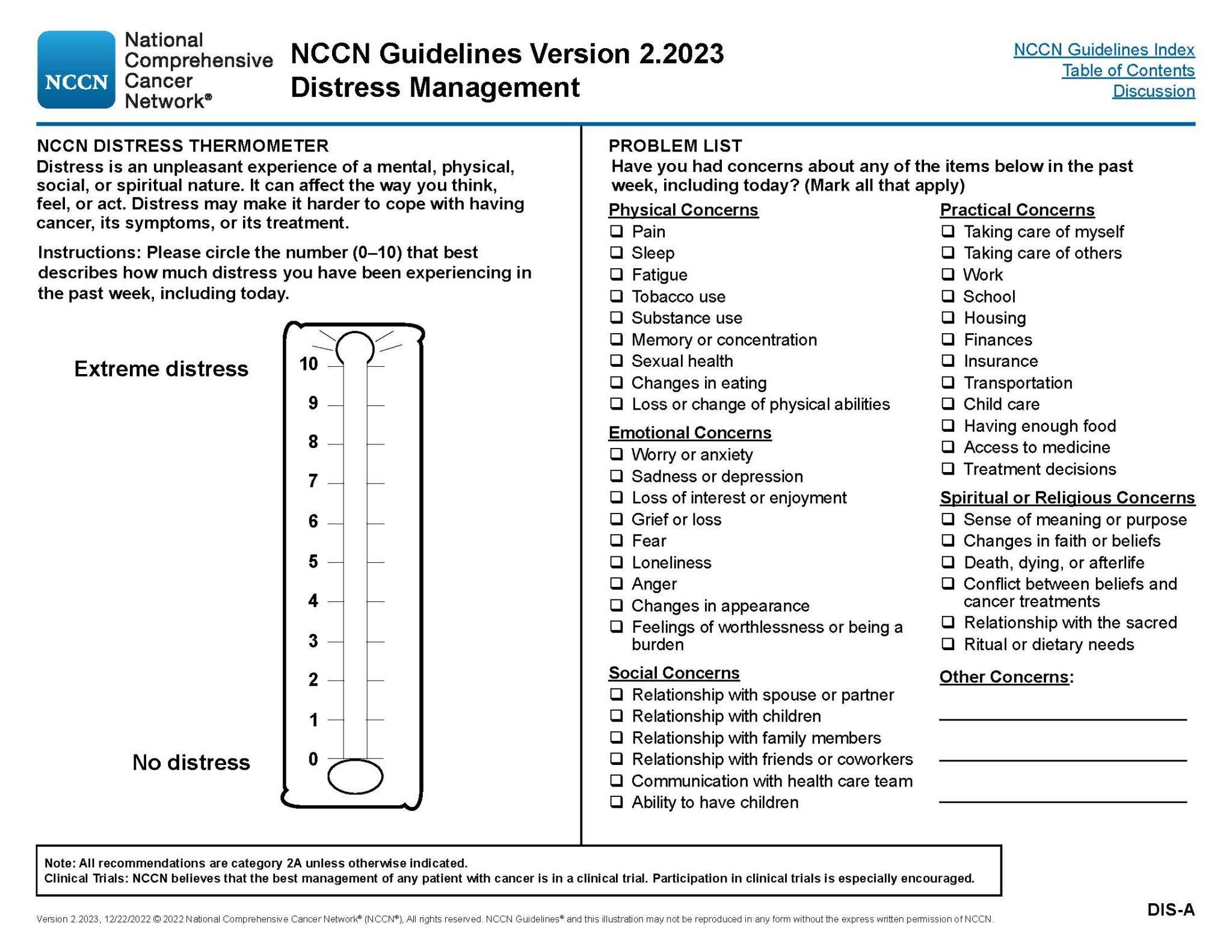
This tool helps providers assess a patient’s distress level.
Distress Thermometer Read More
Everyone with cancer has distress at some point in time. Distress is normal. This booklet is a guide to understanding distress and where you can go for help when you
Distress During Cancer Care Read More

This booklet will explain the why, what, how, and when of physical activity during and after cancer treatment.
Moving through Cancer | A Guide to Getting and Staying Active During Cancer Treatment Read More
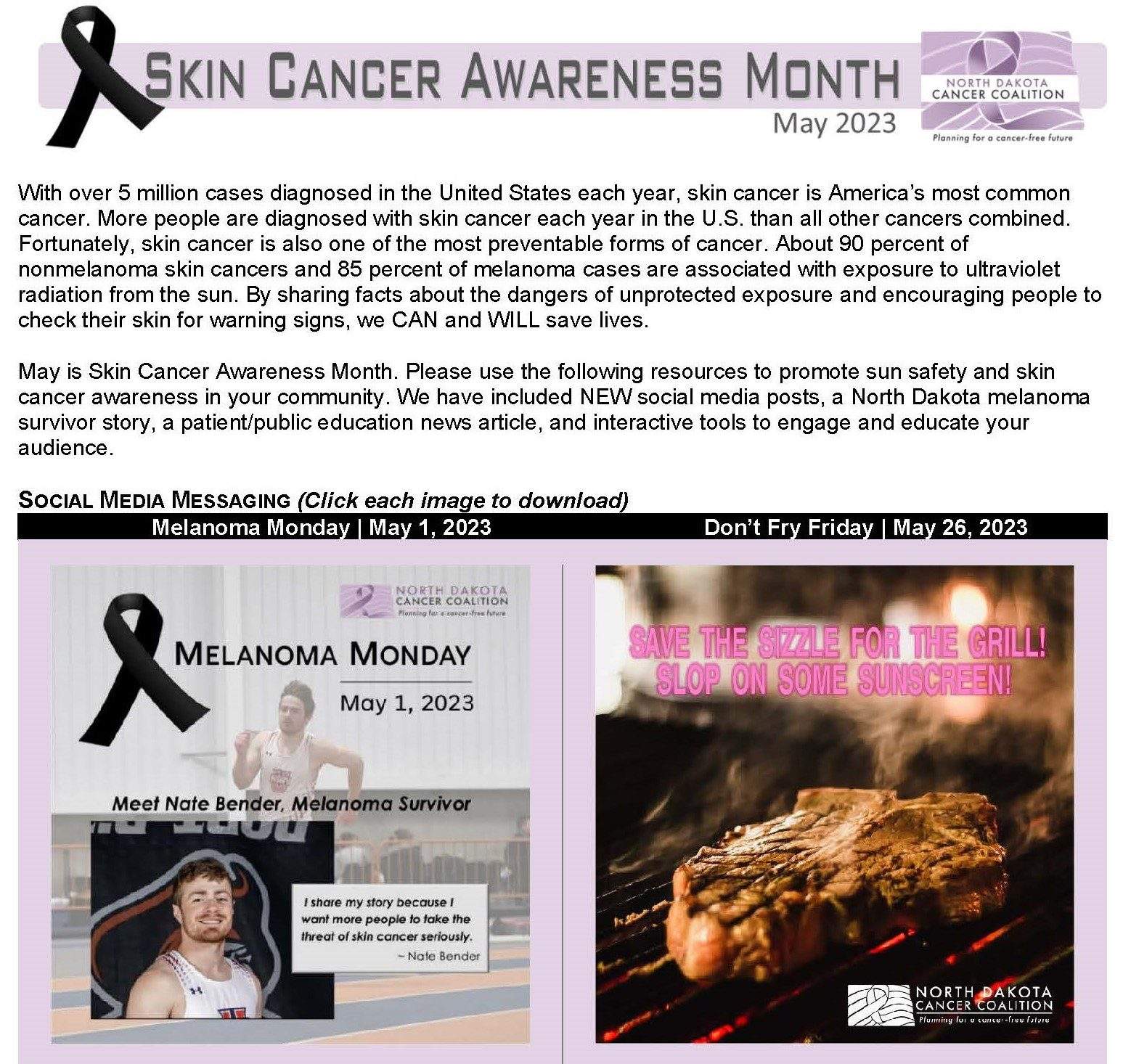
With over 5 million cases diagnosed in the United States each year, skin cancer is America’s most common cancer. More people are diagnosed with skin cancer each year in the
2023 Skin Cancer Awareness Resources Read More
This resource from the American College of Dermatology helps parents know what to teach their children about sun protection to help them develop sun-safe habits that last a lifetime.
Children and Skin Cancer Read More
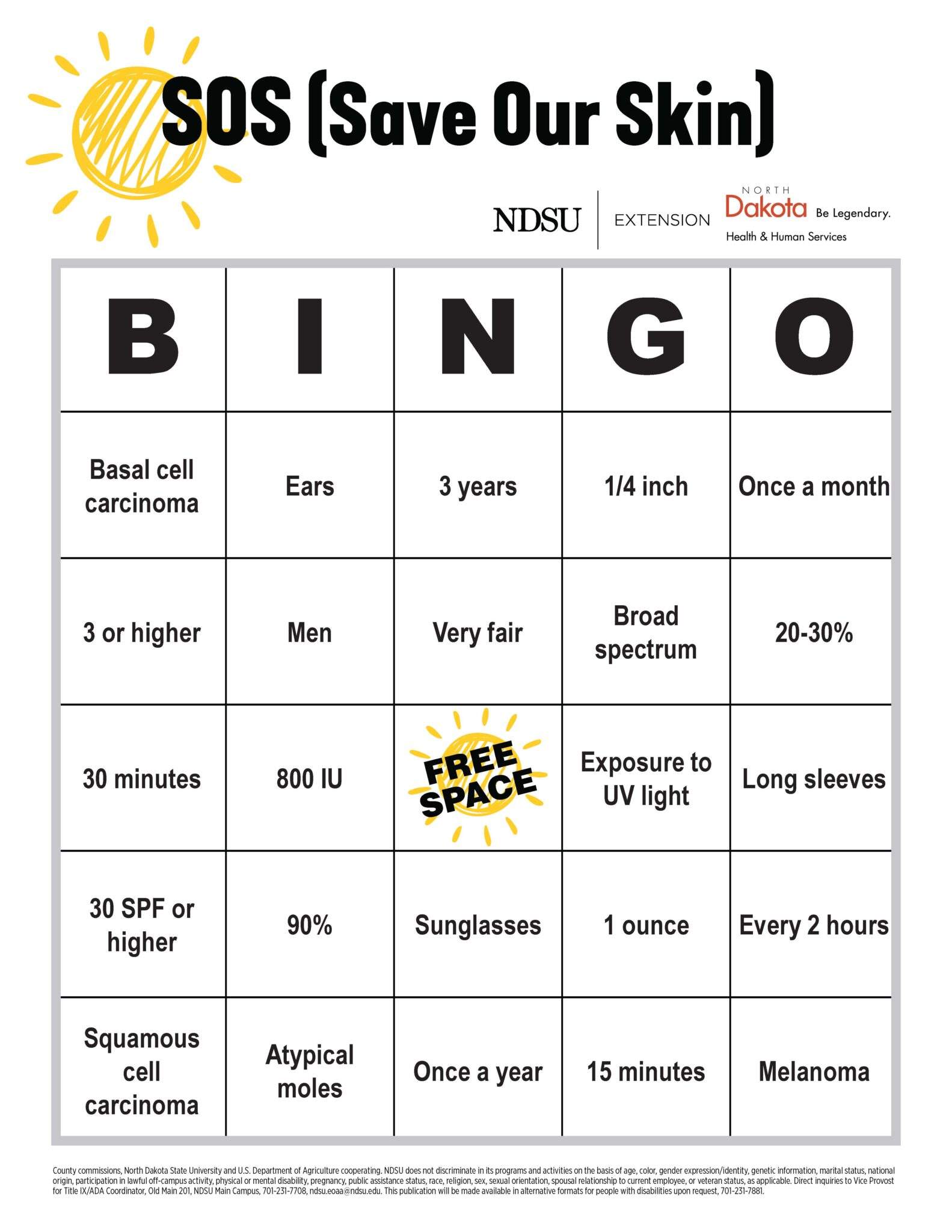
Use this bingo game to teach adults how to “save their skin” from sun damage and skin cancer. This educational resource includes leader instructions, participant questions, and 30 unique bingo
Save Our Skin (SOS) Bingo Read More
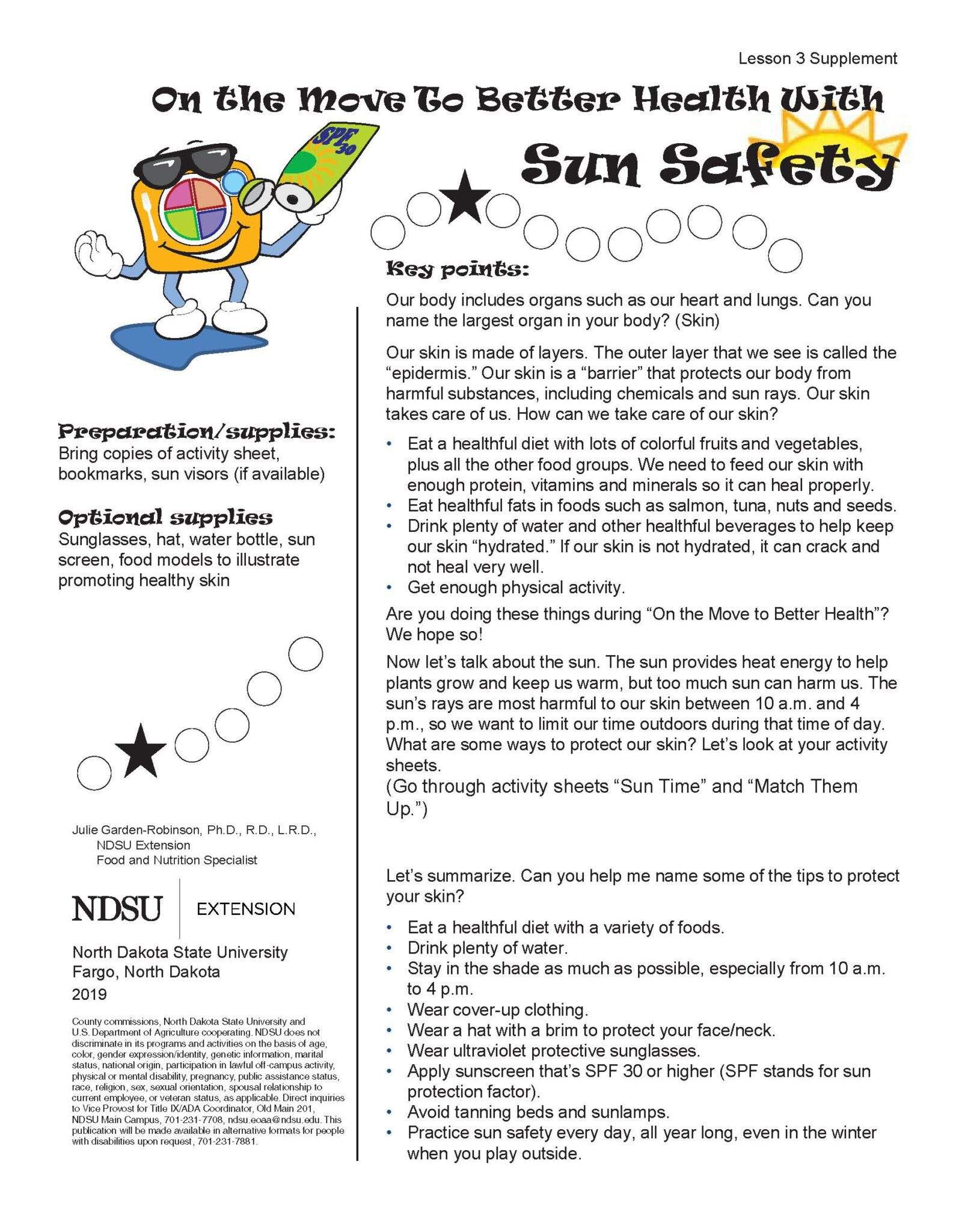
This module for Grades 3-5 teaches students the importance of sun safety and includes key points, sun safety pledge, activities and a letter to parents.
On the Move to Better Health Sun Safety | Module for Grades 3 through 5 Read More

Complete presentation from the October 19, 2022, meeting.
NDCC Steering Committee Minutes | 10/19/2022 Read More
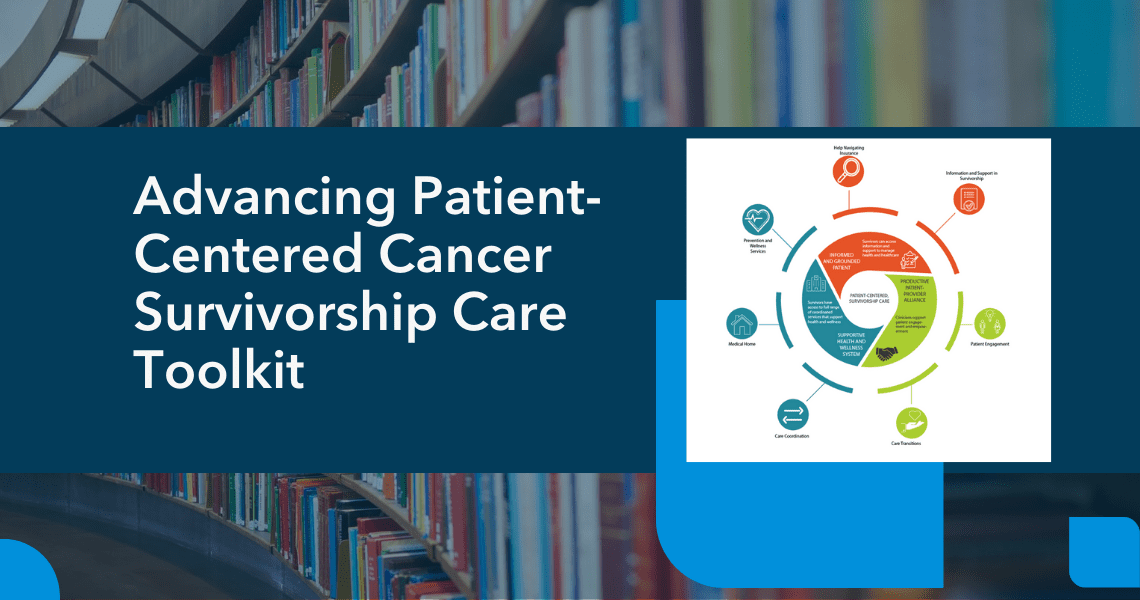
The Advancing Patient-Centered Cancer Survivorship Care Toolkit supports training and technical assistance to improve patient-centered cancer survivorship care.
Advancing Patient-Centered Cancer Survivorship Care Toolkit Read More
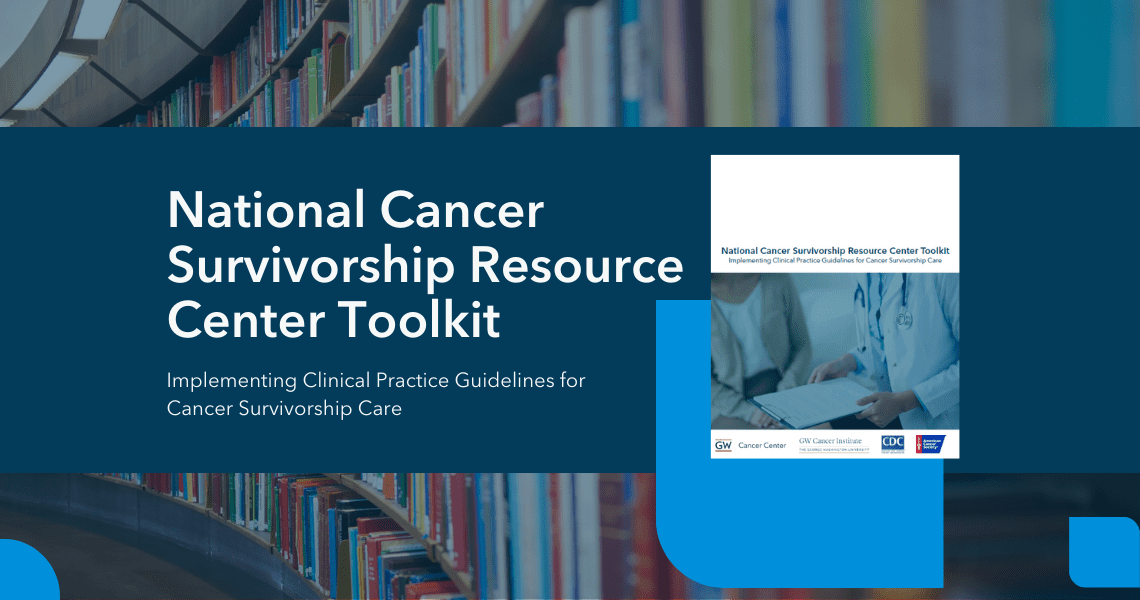
This resource offers help with implementing the American Cancer Society cancer survivorship care guidelines for colorectal, head and neck and prostate cancers and the American Cancer Society/American Society of Clinical
National Cancer Survivorship Resource Center Tools Read More
Learn about tools that health care providers can use to conduct distress screening with cancer survivors from Dr. Natasha Buchanan Lunsford, a clinical health psychologist in CDC’s Division of Cancer
Patient-Provider Communication: Improving the Mental Health of Cancer Survivors (Video) Read More

Free brochures, fact sheets, and other educational materials from the Centers for Disease Control and Prevention (CDC).
Right to Know Campaign Read More

Health care providers can play a critical role in helping to reduce the incidence of hereditary breast and ovarian cancer by identifying patients with elevated risk. These guidelines can help

A woman’s lifetime risk of developing breast and/or ovarian cancer is markedly increased if she inherits a harmful variant in BRCA1 or BRCA2. Learn more about risks and testing.
BRCA Gene Mutations: Cancer Risk and Genetic Testing Read More