
NDCC Steering Committee Minutes | July 19, 2023
NDCC Steering Committee Minutes | July 19, 2023 Read More
Complete presentation from the October 19, 2022, meeting.
NDCC Steering Committee Minutes | 10/19/2022 Read More

Learn risk factors, symptoms, prevention, and early detection of lung cancer.
Lung Cancer Risk Factors, Symptoms, Prevention and Early Detection Read More
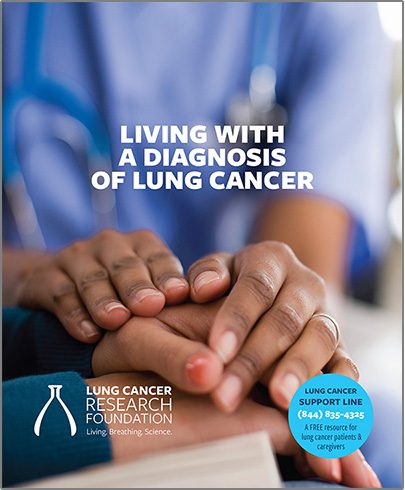
Learn the basics about lung cancer and how it’s treated in this booklet for newly diagnosed patients and their caregivers.
Resources for Patients and Caregivers Read More
Lung cancer is the leading cause of cancer death. Learn the risk factors and how you can prevent lung cancer.
Basic Information About Lung Cancer Read More
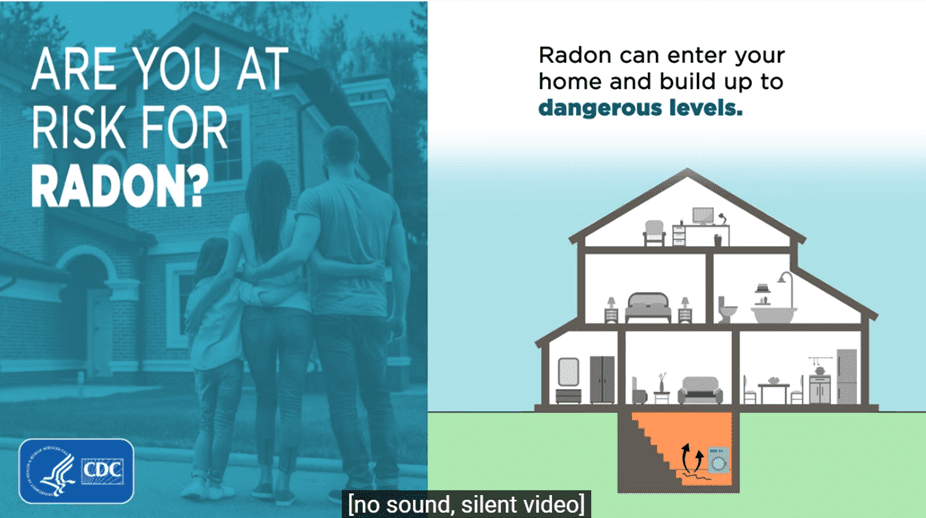
Learn the risks of radon in your home.
Are You At Risk for Radon (Video) Read More
Women from across the country have shared their personal survivor stories. Read their first-hand accounts to learn important lessons.
Cervical Cancer Survivor Stories Read More

Learn about cervical cancer prevention, detection, and treatment from the National Cancer Institute.
Cervical Cancer PDQ – Patient Version Read More

Learn about cervical cancer from A-Z from the American Cancer Society.
Cervical Cancer Overview Read More
This fact sheet about cervical cancer is part of the Centers for Disease Control and Prevention’s (CDC) Inside Knowledge: About Gynecologic Cancer campaign. The campaign helps women get the facts
Cervical Cancer Fact Sheet Read More
The American Cancer Society recommends that women follow recommended guidelines to help find cervical cancer early as well as pre-cancers, which can be treated to keep cervical cancer from starting.

Health care providers can play a critical role in helping to reduce the incidence of hereditary breast and ovarian cancer by identifying patients with elevated risk. These guidelines can help
Learn more about risk factors and symptoms of breast cancer.
Breast Cancer Risk Factors and Symptoms Read More
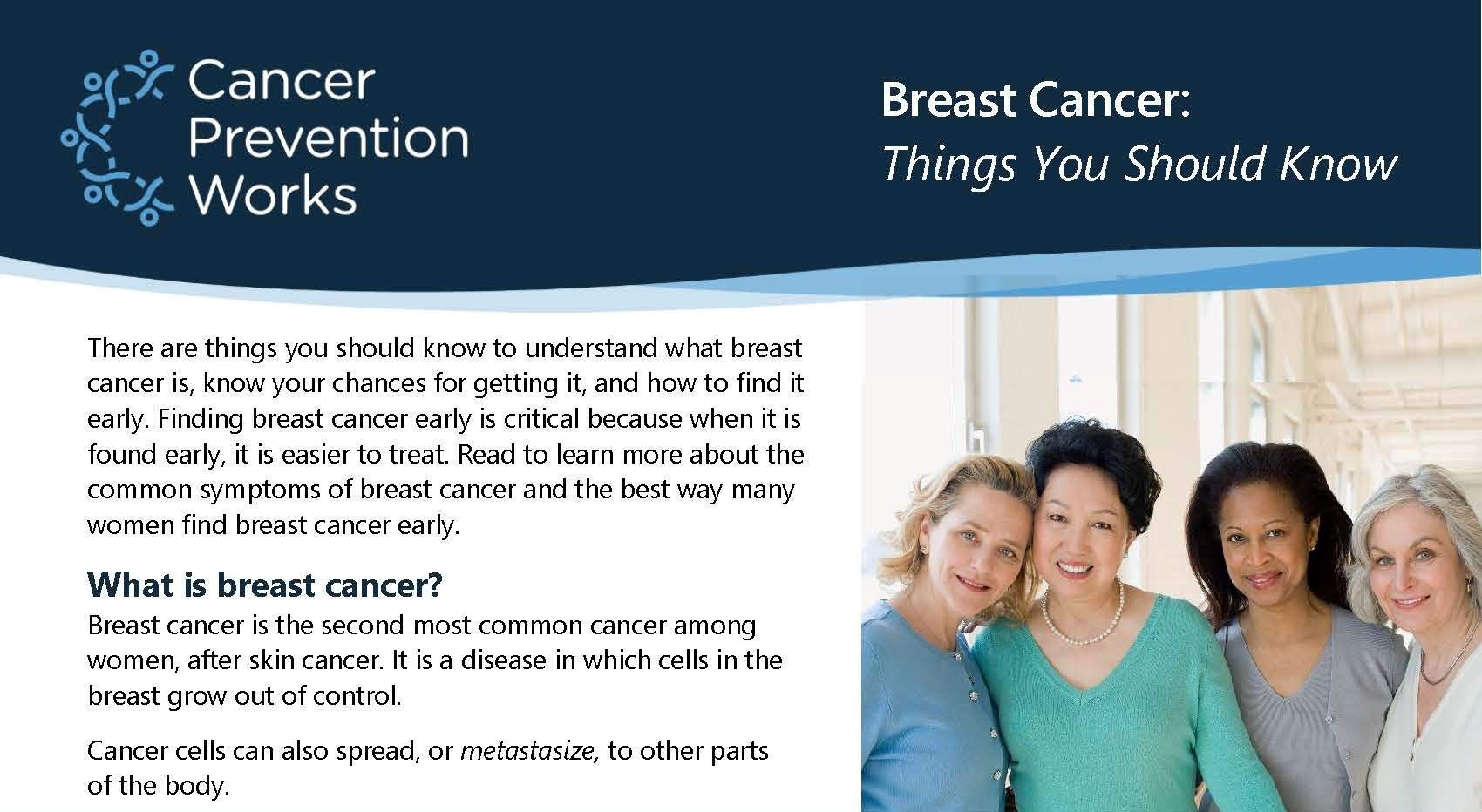
There are things you should know to understand what breast cancer is, know your chances for getting it, and how to find it early.
Breast Cancer: Things You Should Know Read More

Talk with your doctor about when and how often to get mammograms.
Get Tested for Breast Cancer Read More

The USPSTF recommends annual screening for lung cancer with low-dose computed tomography (LDCT) in adults aged 50 to 80 years who have a 20 pack-year smoking history and currently smoke
Lung Cancer Screening Guidelines (USPSTF) Read More
There are different types of lung cancer. Knowing which type you have is important because it affects your treatment options and your outlook (prognosis). If you aren’t sure which type