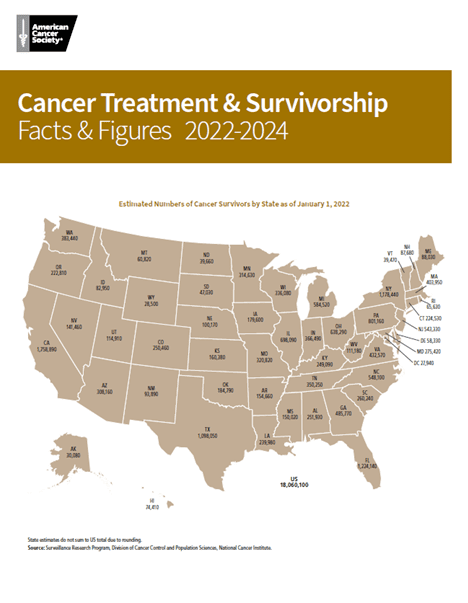
Distress Thermometer
This tool helps providers assess a patient’s distress level.
Distress Thermometer Read More
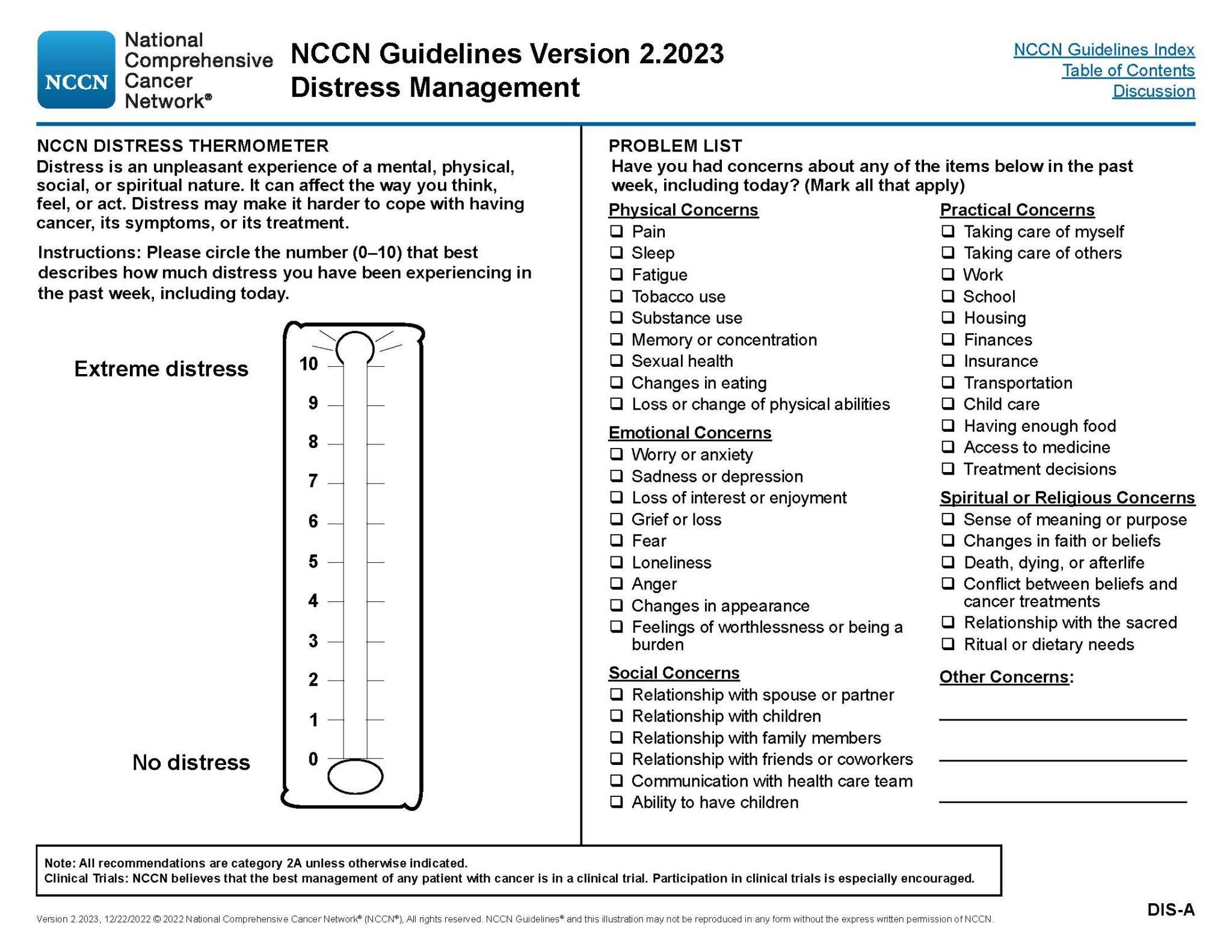
This tool helps providers assess a patient’s distress level.
Distress Thermometer Read More

Everyone with cancer has distress at some point in time. Distress is normal. This booklet is a guide to understanding distress and where you can go for help when you
Distress During Cancer Care Read More

This booklet will explain the why, what, how, and when of physical activity during and after cancer treatment.
Moving through Cancer | A Guide to Getting and Staying Active During Cancer Treatment Read More
Access the statewide programs recommended by the CDC that combine and coordinate community-based interventions.
Lung Cancer Evidence-Based Strategies Read More

Evidence shows these interventions increase cervical cancer screening rates when community health workers deliver them independently or as part of an implementation team. In addition, economic evidence shows these interventions
Cancer Screening: Interventions Engaging Community Health Workers – Cervical Cancer Read More

The American Cancer Society recommends that women follow recommended guidelines to help find cervical cancer early as well as pre-cancers, which can be treated to keep cervical cancer from starting.
The USPSTF recommends annual screening for lung cancer with low-dose computed tomography (LDCT) in adults aged 50 to 80 years who have a 20 pack-year smoking history and currently smoke
Lung Cancer Screening Guidelines (USPSTF) Read More