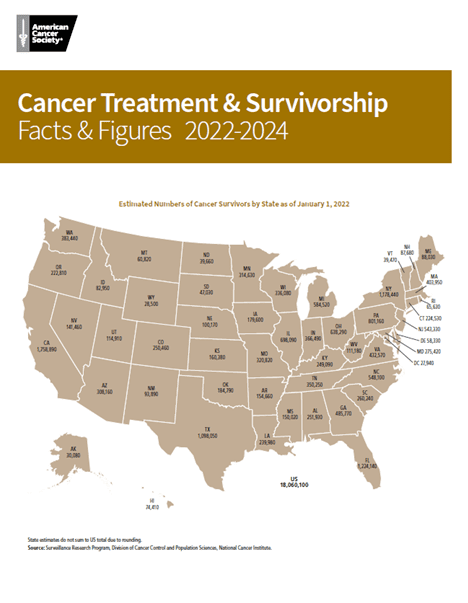
NDCC Steering Committee Minutes | July 19, 2023
NDCC Steering Committee Minutes | July 19, 2023 Read More
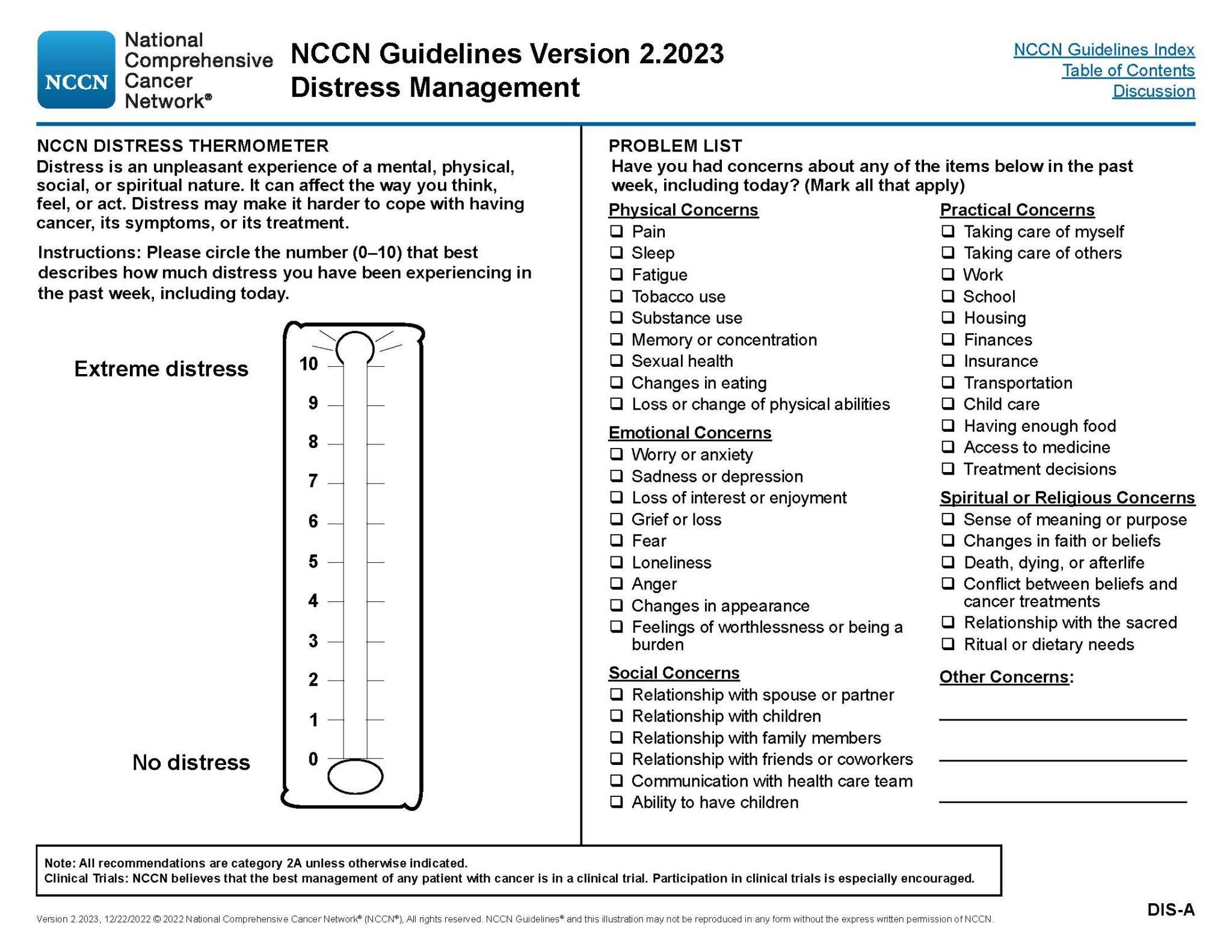
This tool helps providers assess a patient’s distress level.
Distress Thermometer Read More

Everyone with cancer has distress at some point in time. Distress is normal. This booklet is a guide to understanding distress and where you can go for help when you
Distress During Cancer Care Read More

This booklet will explain the why, what, how, and when of physical activity during and after cancer treatment.
Moving through Cancer | A Guide to Getting and Staying Active During Cancer Treatment Read More

Complete presentation from the October 19, 2022, meeting.
NDCC Steering Committee Minutes | 10/19/2022 Read More
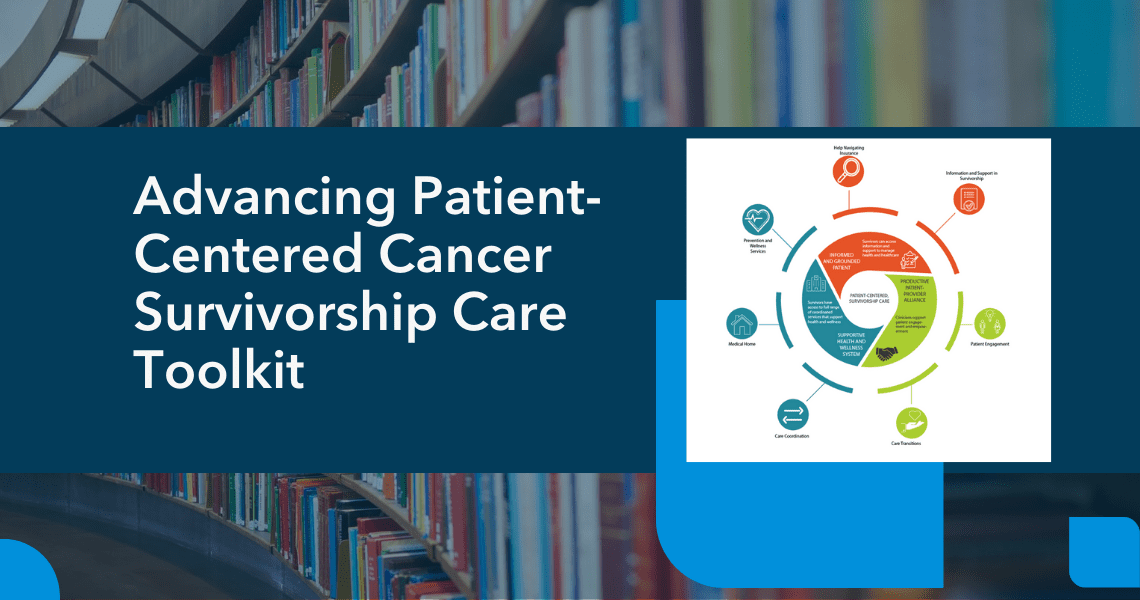
The Advancing Patient-Centered Cancer Survivorship Care Toolkit supports training and technical assistance to improve patient-centered cancer survivorship care.
Advancing Patient-Centered Cancer Survivorship Care Toolkit Read More
This resource offers help with implementing the American Cancer Society cancer survivorship care guidelines for colorectal, head and neck and prostate cancers and the American Cancer Society/American Society of Clinical
National Cancer Survivorship Resource Center Tools Read More

Learn about tools that health care providers can use to conduct distress screening with cancer survivors from Dr. Natasha Buchanan Lunsford, a clinical health psychologist in CDC’s Division of Cancer
Patient-Provider Communication: Improving the Mental Health of Cancer Survivors (Video) Read More

Evidence shows these interventions increase cervical cancer screening rates when community health workers deliver them independently or as part of an implementation team. In addition, economic evidence shows these interventions
Cancer Screening: Interventions Engaging Community Health Workers – Cervical Cancer Read More
Parents may be interested in vaccinating, yet still have questions. Taking the time to listen to parents’ questions helps you save time and give an effective response. CDC research shows
Tips and Time-savers for Talking with Parents about HPV Vaccine Read More

The American Cancer Society recommends that women follow recommended guidelines to help find cervical cancer early as well as pre-cancers, which can be treated to keep cervical cancer from starting.
People are living longer after a cancer diagnosis because of advances in early detection and treatment. Medical and public health professionals can help prepare survivors for the possible long-term and
Caring for Cancer Survivors Read More
The Inside Knowledge campaign raises awareness of the five main types of gynecologic cancer: cervical, ovarian, uterine, vaginal, and vulvar. It encourages women to pay attention to their bodies, so
Inside Knowledge About Gynecologic Cancer Read More