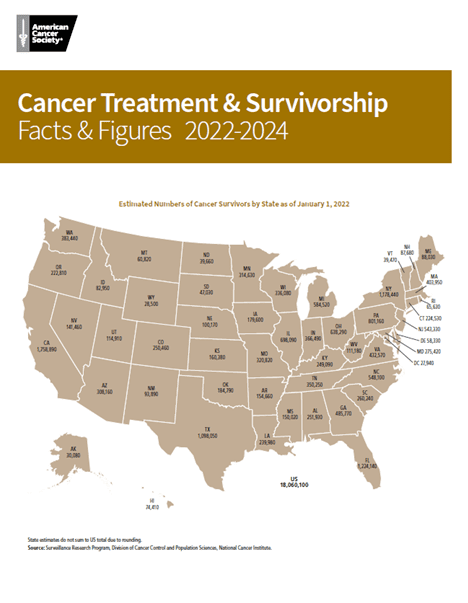
Distress Thermometer
This tool helps providers assess a patient’s distress level.
Distress Thermometer Read More
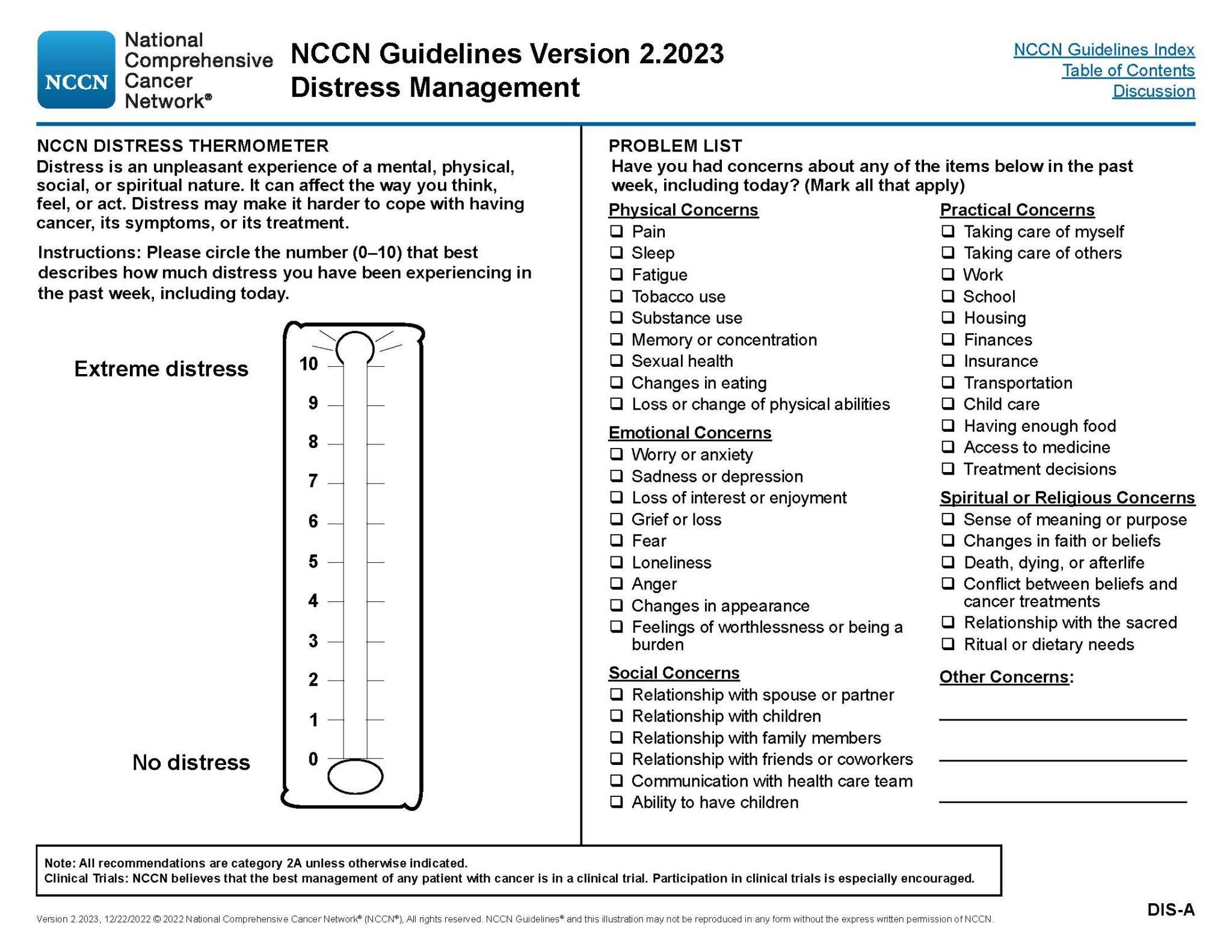
This tool helps providers assess a patient’s distress level.
Distress Thermometer Read More

Everyone with cancer has distress at some point in time. Distress is normal. This booklet is a guide to understanding distress and where you can go for help when you
Distress During Cancer Care Read More

This booklet will explain the why, what, how, and when of physical activity during and after cancer treatment.
Moving through Cancer | A Guide to Getting and Staying Active During Cancer Treatment Read More
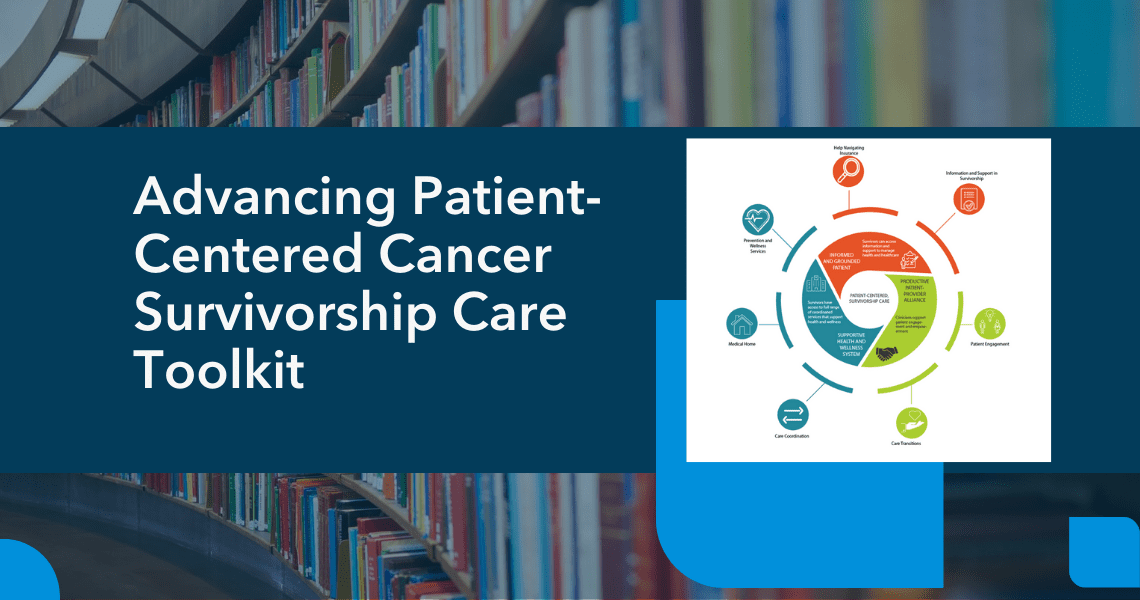
The Advancing Patient-Centered Cancer Survivorship Care Toolkit supports training and technical assistance to improve patient-centered cancer survivorship care.
Advancing Patient-Centered Cancer Survivorship Care Toolkit Read More
This resource offers help with implementing the American Cancer Society cancer survivorship care guidelines for colorectal, head and neck and prostate cancers and the American Cancer Society/American Society of Clinical
National Cancer Survivorship Resource Center Tools Read More

Learn about tools that health care providers can use to conduct distress screening with cancer survivors from Dr. Natasha Buchanan Lunsford, a clinical health psychologist in CDC’s Division of Cancer
Patient-Provider Communication: Improving the Mental Health of Cancer Survivors (Video) Read More
Leading Cancer Cases and Deaths, All Races and Ethnicities, Male and Female, 2019, can be searched on this page.
North Dakota Lung Cancer Statistics Read More
Access the statewide programs recommended by the CDC that combine and coordinate community-based interventions.
Lung Cancer Evidence-Based Strategies Read More

Find featured lung cancer videos, downloadable worksheets, interactive tools, data and more.
Lung Cancer Resource Library Read More

The National Lung Screening Trial (NLST) provided the first solid evidence that screening with LDCT can reduce lung cancer mortality risk in ever-smokers who have smoked 30 pack-years or longer
Lung Cancer PDQ for Health Professionals Read More
Free brochures, fact sheets, and other educational materials from the Centers for Disease Control and Prevention (CDC).
Right to Know Campaign Read More

Health care providers can play a critical role in helping to reduce the incidence of hereditary breast and ovarian cancer by identifying patients with elevated risk. These guidelines can help
A woman’s lifetime risk of developing breast and/or ovarian cancer is markedly increased if she inherits a harmful variant in BRCA1 or BRCA2. Learn more about risks and testing.
BRCA Gene Mutations: Cancer Risk and Genetic Testing Read More
The Breast Cancer Risk Assessment Tool allows health professionals to estimate a woman’s risk of developing invasive breast cancer over the next 5 years and up to age 90 (lifetime risk).
Breast Cancer Risk Assessment Tool Read More
People are living longer after a cancer diagnosis because of advances in early detection and treatment. Medical and public health professionals can help prepare survivors for the possible long-term and
Caring for Cancer Survivors Read More

Lung cancer incidence, treatment and screening rates can be found here.
North Dakota Lung Cancer Statistics (2020) Read More
The USPSTF recommends annual screening for lung cancer with low-dose computed tomography (LDCT) in adults aged 50 to 80 years who have a 20 pack-year smoking history and currently smoke
Lung Cancer Screening Guidelines (USPSTF) Read More

The Bring Your Brave campaign provides information about breast cancer to women younger than age 45 by sharing real stories about young women whose lives have been affected by breast
Bring Your Brave Campaign Read More
Compare breast cancer screening guidelines from the U.S. Preventive Services Task Force, American Cancer Society, American College of Obstetricians and Gynecologists and four other organizations.
Breast Cancer Screening Guidelines for Women Chart Read More