Follow-Up Medical Care
Information on this site focuses on follow-up care for your cancer treatment.
Follow-Up Medical Care Read More

Information on this site focuses on follow-up care for your cancer treatment.
Follow-Up Medical Care Read More

The American Society of Clinical Oncology developed two forms that can help you keep track of important care plan information so it can be easily shared with health care providers
Cancer Treatment and Survivorship Care Plans Read More
A survivorship care plan includes important information about your cancer and treatment, which helps you and your doctors understand each other. Learn more.
Cancer Survivorship Care Plans Read More
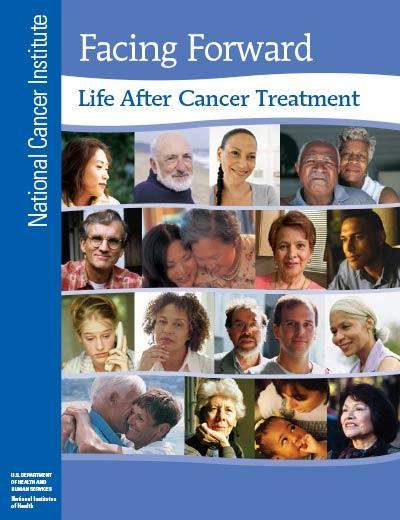
Facing Forward: Life After Cancer Treatment is a booklet for people who have completed cancer treatment.
Facing Forward: Life After Cancer Treatment Read More
The Cancer Survivorship Checklist is designed to be a simple, straightforward tool patients and caregivers can use as a guide for information critical to their care wherever they are on
Survivorship Checklist Read More
Explore information and tips on staying active and healthy during and after cancer treatment. You can also get information on managing your health care as a cancer survivor.
Survivorship: During and After Treatment Read More
This award-winning Cancer Survival Toolbox is a free audio program. It was created by leading cancer organizations to help people develop skills to better meet and understand the challenges of
Cancer Survival Toolbox Read More
CDC’s Screen for Life: National Colorectal Cancer Action Campaign informs men and women who are 45 years old or older about the importance of getting screened for colorectal cancer regularly.
Screen for Life Campaign Read More
The videos in this collection explain colon cancer risk factors, screening tests, treatments, and more.

Colorectal cancer is the second most common cancer among Native people, and the second leading cause of cancer death. Learn more.
End Colon Cancer in Indian Country Read More
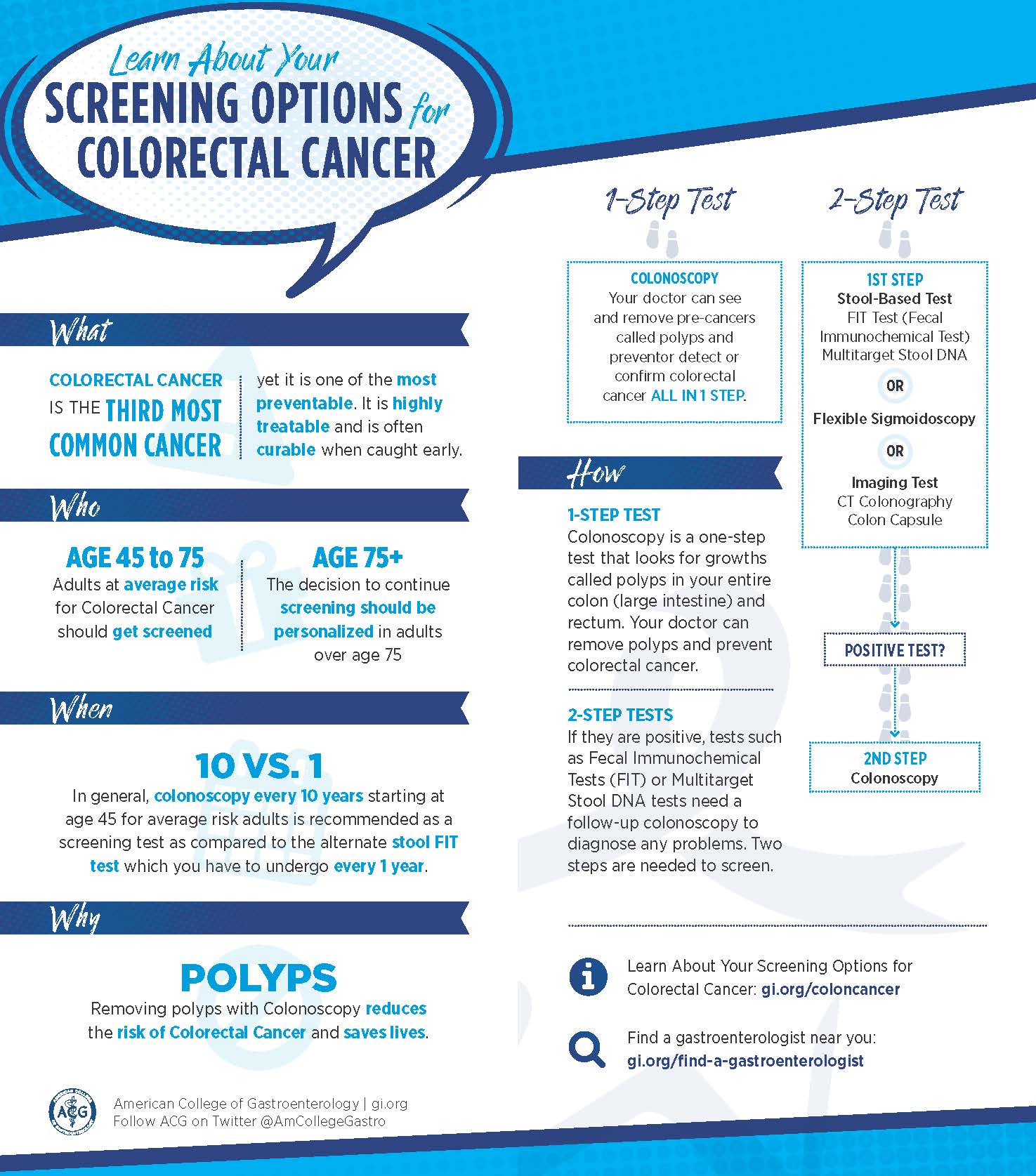
Know all of the options available for colorectal cancer screening.
Learn About Your Screening Options Read More
Primary care plays a central role in cancer screening. This practical toolkit helps primary care providers improve cancer screening rates in their practices and reduce related disparities, based on research
Improving Cancer Screening Rates in Your Practice and Reducing Related Disparities Read More
This document provides an action-oriented playbook for how NCCRT members, 80% pledged partners, and colorectal cancer screening advocates across the nation can work together to reignite our screening efforts appropriately,
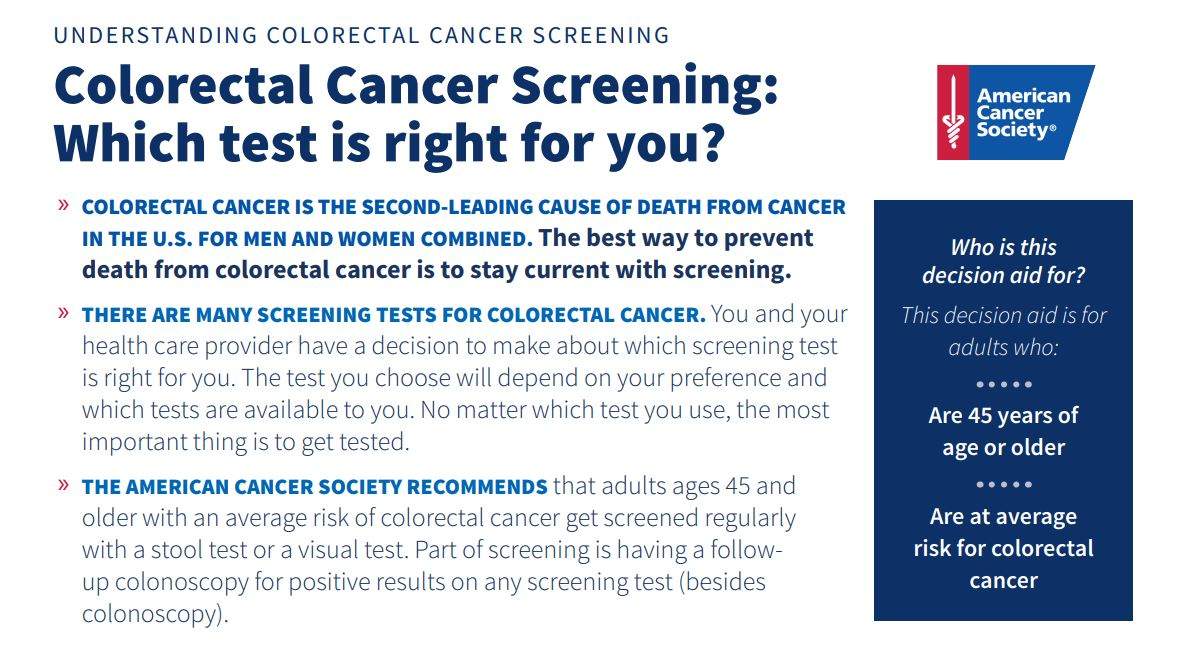
The ACS recommends that people at average risk of colorectal cancer start regular screening at age 45. This can be done either with a sensitive test that looks for signs
American Cancer Society Guideline for Colorectal Cancer Screening Read More
Hear how Wenora, Mark, Xenia, and Ana María approach life after cancer and find their new normal.
Stories of Life After Cancer Read More
People are living longer after a cancer diagnosis because of advances in early detection and treatment. Medical and public health professionals can help prepare survivors for the possible long-term and
Caring for Cancer Survivors Read More
Today, there are more than 16.9 million Americans alive with a history of cancer. This site’s survivorship section provides helpful information for cancer survivors and their friends and family.
What is Survivorship? Read More
The National Cancer Survivors Day Foundation encourages resolving the issues of cancer survivorship through public education and awareness. Explore these resources to learn more about the challenges cancer survivors face.
National Cancer Survivors Day Read More
80% in Every Community is an NCCRT initiative that continues the progress and commitment from 80% by 2018, and reemphasizes dedication to partnership, collective action, and the pooling of resources
80% in Every Community Read More
Screening for colorectal cancer should begin at age 45. Learn more!
Colorectal Cancer Factsheet Read More
Guidelines from the American Cancer Society, the US Preventive Services Task Force, and others recommend Fecal Immunochemical Tests (FIT), High-Sensitivity Fecal Occult Blood Tests (HS-gFOBT) and FIT-DNA testing as options
Clinician’s Reference: Stool-Based Tests for Colorectal Cancer Screening Read More