
Resources for Patients and Caregivers
Learn the basics about lung cancer and how it’s treated in this booklet for newly diagnosed patients and their caregivers.
Resources for Patients and Caregivers Read More
Learn the basics about lung cancer and how it’s treated in this booklet for newly diagnosed patients and their caregivers.
Resources for Patients and Caregivers Read More
Access the statewide programs recommended by the CDC that combine and coordinate community-based interventions.
Lung Cancer Evidence-Based Strategies Read More
Lung cancer is the leading cause of cancer death. Learn the risk factors and how you can prevent lung cancer.
Basic Information About Lung Cancer Read More
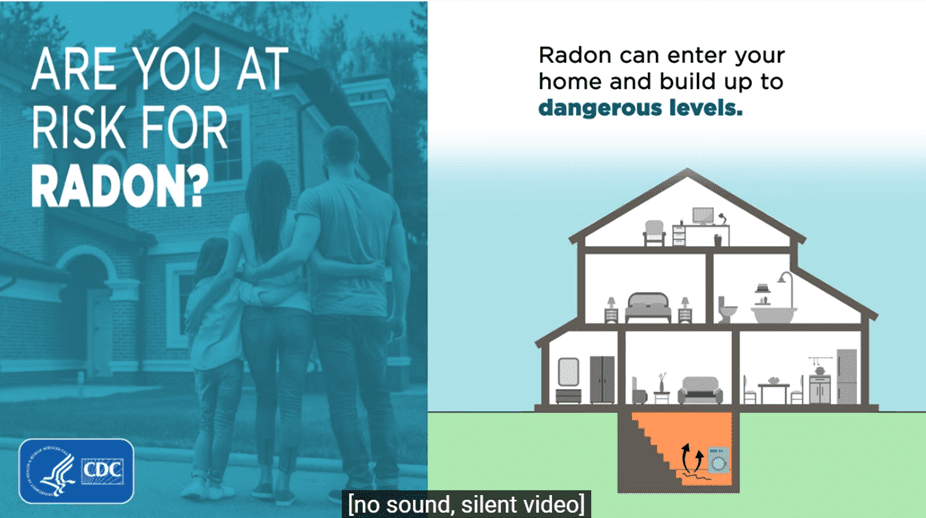
Learn the risks of radon in your home.
Are You At Risk for Radon (Video) Read More

CDC’s Screen for Life: National Colorectal Cancer Action Campaign informs men and women who are 45 years old or older about the importance of getting screened for colorectal cancer regularly.
Screen for Life Campaign Read More

The videos in this collection explain colon cancer risk factors, screening tests, treatments, and more.

Colorectal cancer is the second most common cancer among Native people, and the second leading cause of cancer death. Learn more.
End Colon Cancer in Indian Country Read More
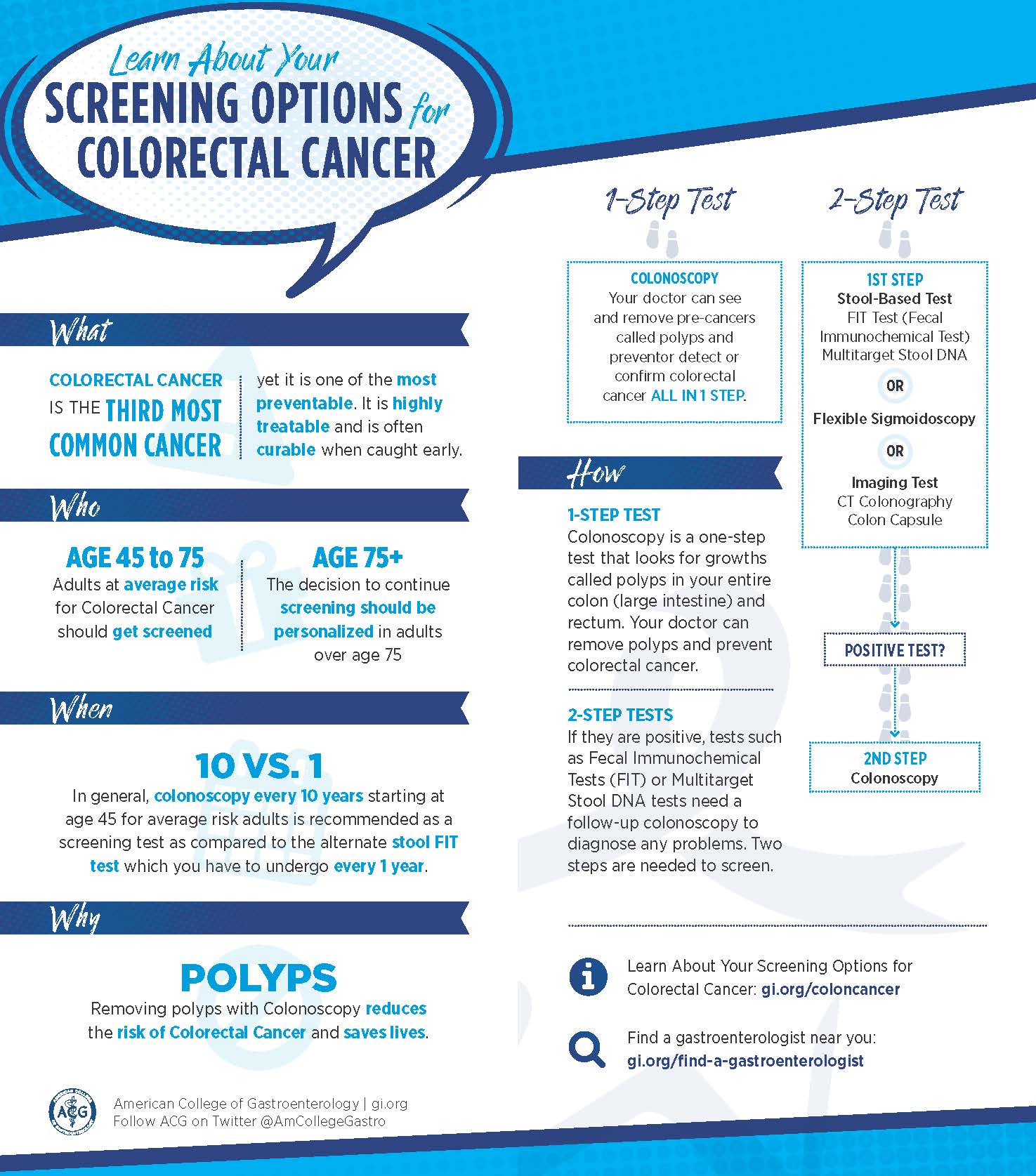
Know all of the options available for colorectal cancer screening.
Learn About Your Screening Options Read More
The ACS recommends that people at average risk of colorectal cancer start regular screening at age 45. This can be done either with a sensitive test that looks for signs
American Cancer Society Guideline for Colorectal Cancer Screening Read More
Cervical Cancer Awareness Month is intended to raise awareness of cervical cancer and to promote research into its cause, prevention, diagnosis, treatment, survivorship and cure.
Cervical Cancer Awareness Month Read More

Evidence shows these interventions increase cervical cancer screening rates when community health workers deliver them independently or as part of an implementation team. In addition, economic evidence shows these interventions
Cancer Screening: Interventions Engaging Community Health Workers – Cervical Cancer Read More
Women from across the country have shared their personal survivor stories. Read their first-hand accounts to learn important lessons.
Cervical Cancer Survivor Stories Read More

Learn about cervical cancer prevention, detection, and treatment from the National Cancer Institute.
Cervical Cancer PDQ – Patient Version Read More
Learn about cervical cancer from A-Z from the American Cancer Society.
Cervical Cancer Overview Read More
This fact sheet about cervical cancer is part of the Centers for Disease Control and Prevention’s (CDC) Inside Knowledge: About Gynecologic Cancer campaign. The campaign helps women get the facts
Cervical Cancer Fact Sheet Read More
The American Cancer Society recommends that women follow recommended guidelines to help find cervical cancer early as well as pre-cancers, which can be treated to keep cervical cancer from starting.
Free brochures, fact sheets, and other educational materials from the Centers for Disease Control and Prevention (CDC).
Right to Know Campaign Read More

Health care providers can play a critical role in helping to reduce the incidence of hereditary breast and ovarian cancer by identifying patients with elevated risk. These guidelines can help

Learn more about risk factors and symptoms of breast cancer.
Breast Cancer Risk Factors and Symptoms Read More
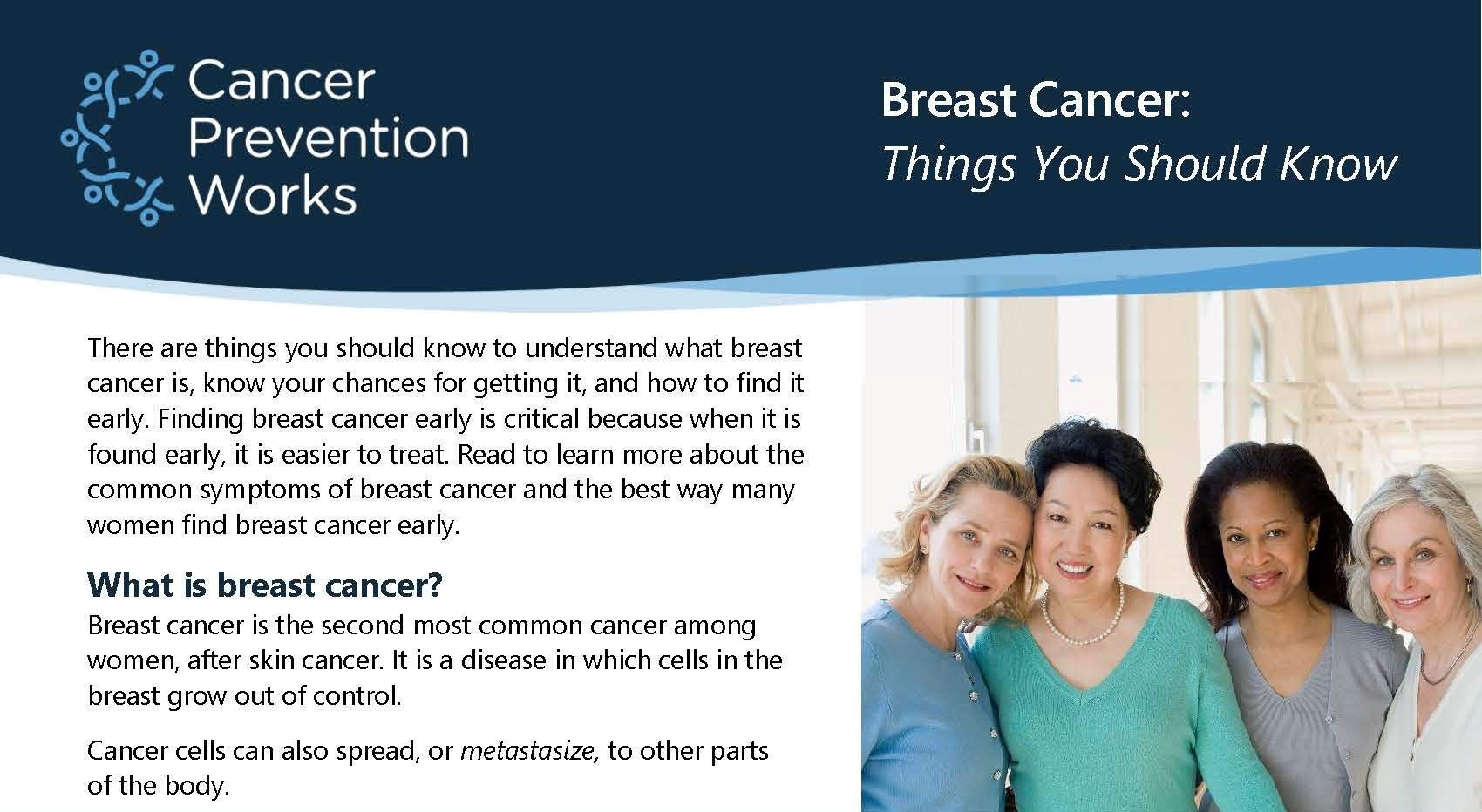
There are things you should know to understand what breast cancer is, know your chances for getting it, and how to find it early.
Breast Cancer: Things You Should Know Read More

Talk with your doctor about when and how often to get mammograms.
Get Tested for Breast Cancer Read More
Today, there are more than 16.9 million Americans alive with a history of cancer. This site’s survivorship section provides helpful information for cancer survivors and their friends and family.
What is Survivorship? Read More
The American Cancer Society (ACS) recommends that men have a chance to make an informed decision with their health care provider about whether to be screened for prostate cancer. Learn
American Cancer Society Recommendations for Prostate Cancer Early Detection Read More
Prostate cancer is the most common cancer among men (after skin cancer), but it can often be treated successfully. Here you can find out all about prostate cancer, including risk
About Prostate Cancer Read More
The USPSTF recommends annual screening for lung cancer with low-dose computed tomography (LDCT) in adults aged 50 to 80 years who have a 20 pack-year smoking history and currently smoke
Lung Cancer Screening Guidelines (USPSTF) Read More
There are different types of lung cancer. Knowing which type you have is important because it affects your treatment options and your outlook (prognosis). If you aren’t sure which type

80% in Every Community is an NCCRT initiative that continues the progress and commitment from 80% by 2018, and reemphasizes dedication to partnership, collective action, and the pooling of resources
80% in Every Community Read More